Why It Matters
The deployment of U.S. Army paratroopers to the Middle East carries direct consequences for American military families across the country, including the thousands of active-duty soldiers and veterans living in Idaho. As the United States weighs its next move following escalating tensions with Iran, the decision to send additional ground forces into the region signals a potential shift in military posture that could affect readiness levels at installations nationwide.
For Idahoans with family members serving in airborne units — particularly those stationed at bases like Fort Bragg, now known as Fort Liberty, in North Carolina — the news arrives with a familiar weight of uncertainty that military communities know all too well.
What Happened
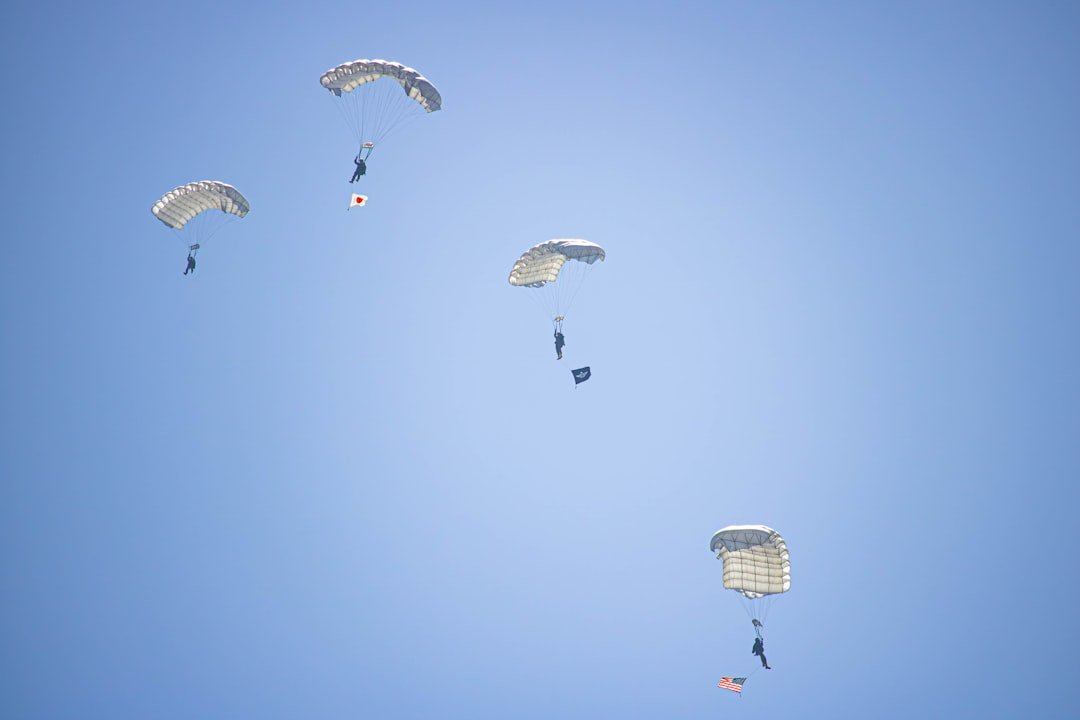
The U.S. Army has ordered paratroopers to deploy to the Middle East as senior officials in the national security apparatus continue deliberating over how the United States should respond to ongoing hostilities involving Iran. The order represents a tangible escalation in American military presence in the region and reflects the seriousness with which defense planners are treating the current threat environment.
Paratroopers, by their nature and training, are rapid-response forces designed to be inserted quickly into contested or high-risk environments. Their deployment suggests commanders want boots on the ground capable of acting swiftly should the situation deteriorate or require immediate force projection.
The move comes as the United States continues to evaluate a range of options in response to Iranian actions, which have included support for proxy forces throughout the Middle East, threats to regional shipping lanes, and ongoing advancement of the country’s nuclear program. No formal declaration of new military operations has been announced at this time.
By the Numbers
- The United States currently maintains approximately 40,000 to 50,000 troops across the broader Middle East region, spread across multiple countries and installations.
- Iran’s Islamic Revolutionary Guard Corps is estimated to have over 125,000 active personnel, in addition to its network of regional proxy forces numbering in the tens of thousands.
- The U.S. has conducted more than 170 strikes against Iranian-backed militia targets in Iraq, Syria, and Yemen in recent years, reflecting the sustained pace of low-level conflict in the region.
- Airborne units can typically be ready to deploy within 18 to 72 hours of receiving orders, making them among the fastest-response ground forces in the U.S. military inventory.
- Iran has reportedly enriched uranium to approximately 60 percent purity, well above civilian energy thresholds and considered dangerously close to weapons-grade levels by international monitors.
Zoom Out
The paratrooper deployment fits into a broader pattern of American military repositioning that has accelerated over the past several years as Iran and its proxy network have grown increasingly aggressive. From Houthi attacks on Red Sea shipping lanes to Hezbollah activity along Israel’s northern border, the region has seen a sustained drumbeat of Iranian-linked military action that American commanders have been forced to respond to in real time.
At the national level, the decision to move paratroopers signals that the current administration is treating the Iran threat as something that may require kinetic response rather than purely diplomatic management. While hawkish voices in Washington have long pushed for a more forceful posture toward Tehran, others caution against any escalation that could draw the United States into a broader regional conflict.
For the Mountain West and Pacific Northwest, which include states like Idaho, Oregon, Montana, and Washington, military deployments of this nature ripple through local economies, National Guard readiness schedules, and community support networks that rely on stable rotation cycles. Idaho’s National Guard units have historically deployed to the Middle East in support of various operations, and any expansion of the U.S. footprint in the region could eventually draw on reserve and Guard resources.
What’s Next
Defense officials are expected to continue briefing Congressional leaders on the scope and purpose of the deployment in the coming days. Senior lawmakers on the Senate Armed Services Committee and the House Armed Services Committee will likely seek additional details on the rules of engagement and the specific mission parameters assigned to the deployed forces.
The White House has not yet issued a formal statement outlining its strategic objectives beyond general references to protecting American interests and personnel in the region. Analysts expect the administration will face increasing pressure to articulate a clear and coherent Iran policy as the deployment becomes public and questions mount on Capitol Hill.
Further troop movements or asset repositioning — including naval and air assets — could follow depending on how the situation in the region evolves over the coming days and weeks.
About the Author