Why It Matters
Rural Idahoans often face significant barriers to accessing medical care, from long travel distances to provider shortages and underfunded facilities. The approval of a nearly $930 million federal grant could bring meaningful improvements to health care access across Idaho’s rural communities over the next five years.
The funding, tied to the federal One Big Beautiful Bill Act, represents one of the largest single infusions of health care dollars into Idaho’s rural areas in recent memory — and comes at a time when state lawmakers have also been tightening Medicaid spending elsewhere. Earlier this year, Idaho Governor Brad Little approved $22 million in Medicaid disability budget cuts, making this rural health investment a notable counterpoint in the state’s broader health care picture.
What Happened
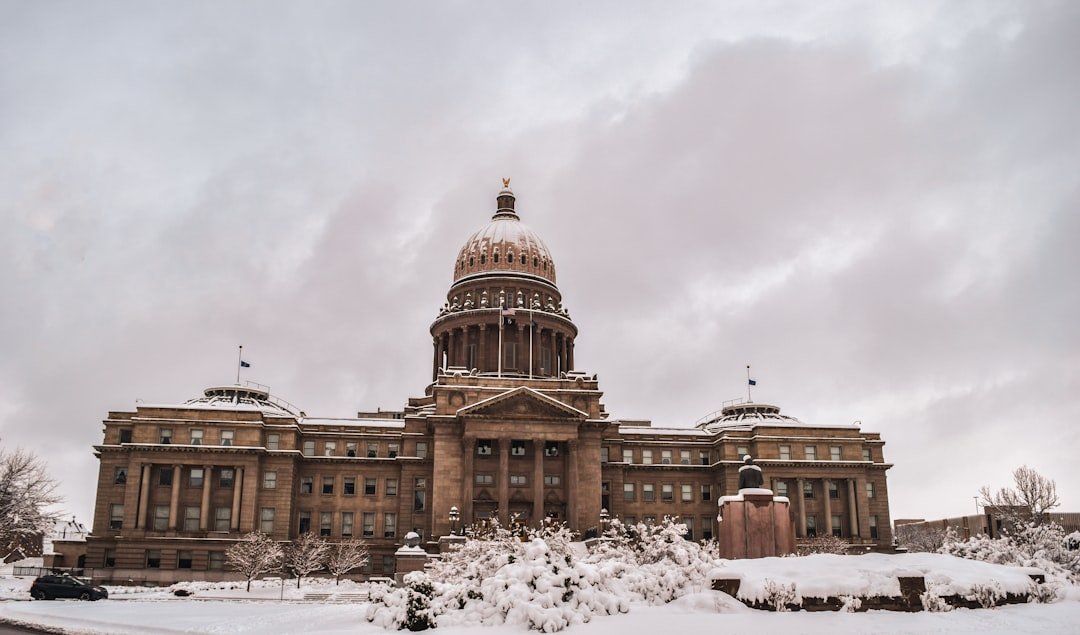
On Thursday, April 2, 2026, the Idaho House of Representatives voted to approve Senate Bill 1453, a budget measure that authorizes the state to spend a five-year federal grant totaling approximately $930 million for rural health care improvements.
The House passed the bill 46-20, with four members absent. The Idaho Senate had narrowly approved the same measure the evening before, forwarding it to the House for final action.
The bill creates a new legislative oversight committee tasked with determining how the grant funds will be allocated through subgrants aimed at expanding rural health care access across Idaho. The grant was awarded to Idaho under the federal One Big Beautiful Bill Act, passed by Congress and signed into law during President Trump’s current term.
Points of Contention
The bill did not pass without debate. In the Senate, some members expressed frustration that the oversight committee established by the bill did not include a requirement that a majority of its members represent rural legislative districts — a provision some senators had pushed for to ensure the communities most affected by the funding would have the strongest voice in directing it.
Twin Falls Republican David Leavitt raised procedural concerns on the House floor, arguing that the Joint Finance-Appropriation Committee — the legislature’s budget-writing body — had created new policy through the budget bill itself, which he said runs counter to established legislative tradition.
Leavitt also argued on fiscal grounds that Idaho should decline the federal money, stating the grant adds to the national debt. His position reflected a broader debate among some conservative lawmakers about federal dependency, though the measure ultimately passed with a comfortable margin in the House.
By the Numbers
- $930 million — Total value of the five-year federal rural health care grant approved for Idaho
- $186 million — Approximate amount available to Idaho in the first year for rural health subgrants
- 46-20 — House vote approving Senate Bill 1453
- 4 — House members absent during the vote
- 5 years — Duration of the federal grant program
Zoom Out
Idaho is one of the most rural states in the Mountain West, with vast stretches of the state underserved by hospitals, clinics, and specialists. Rural health funding has become a growing priority at both the state and federal level as provider shortages and hospital closures continue to threaten care access in small communities nationwide.
The grant arrives as Idaho lawmakers have also been navigating significant shifts in Medicaid policy. The legislature recently passed a bill implementing Medicaid expansion work requirements by 2027, a measure that could reduce enrollment among some low-income Idahoans. The tension between expanding rural infrastructure investment while tightening eligibility-based spending reflects a broader philosophical debate playing out in statehouses across the country.
What’s Next
With the bill now approved by both chambers, the newly established legislative oversight committee will begin the process of determining how the grant funds are distributed through subgrants to rural health care providers and programs across Idaho.
The state is expected to begin deploying approximately $186 million in the first year of the program. Stakeholders, rural health advocates, and county officials are likely to engage the committee as it develops its spending priorities and grant criteria in the months ahead.
About the Author