Iran Shuts Down Strait of Hormuz, Fires on Ships as U.S. Blockade Holds
Why It Matters
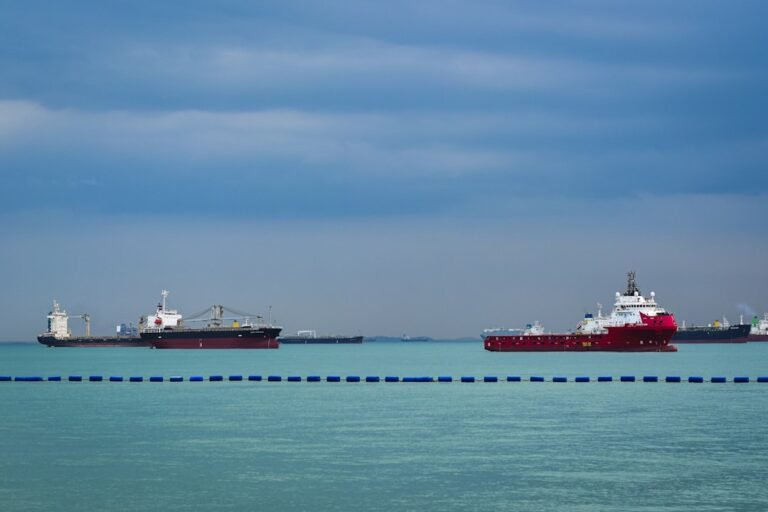
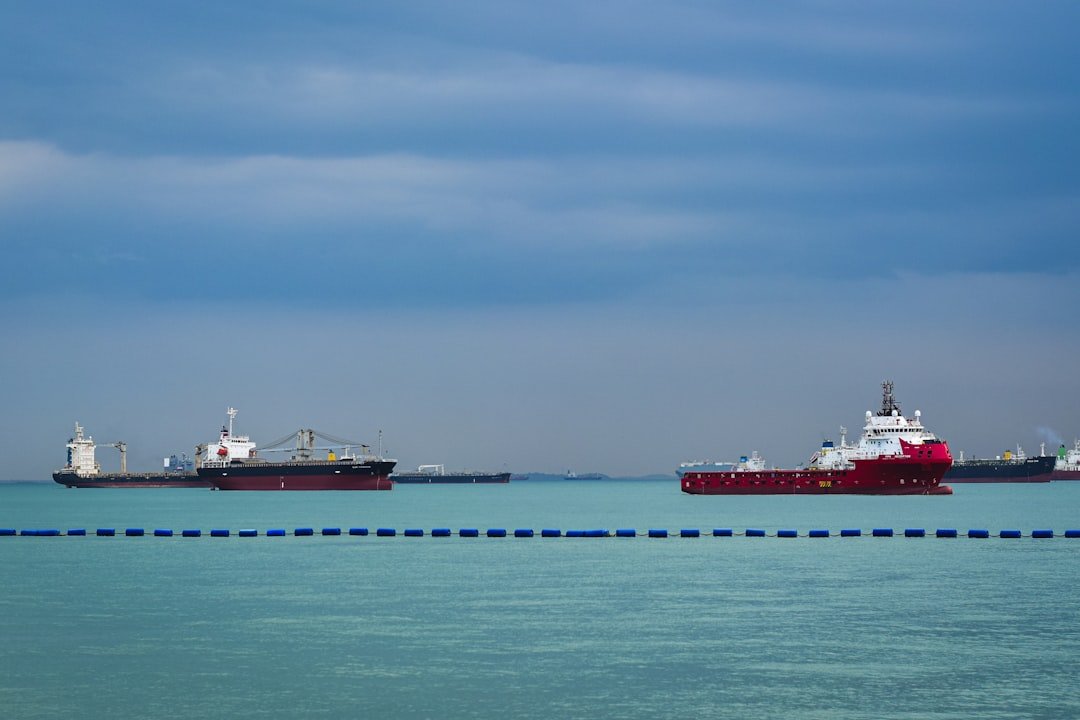
The Strait of Hormuz — the narrow waterway through which roughly one-fifth of the world’s oil supply normally flows — is now closed to commercial traffic after Iran’s Revolutionary Guard navy ordered all vessels to halt movement and warned that any ship approaching the strait would be treated as cooperating with the enemy. The closure threatens to sharply escalate global energy prices and could directly affect fuel costs for American consumers and businesses.
The standoff enters its eighth week with a fragile ceasefire set to expire by Wednesday, raising the stakes for diplomats working to prevent a broader military conflict between the United States and Iran.
What Happened
Iran reversed a brief reopening of the Strait of Hormuz on Saturday, April 18, after the United States confirmed it would maintain its blockade of Iranian ports. The reversal came just one day after Iran had announced the strait was open to commercial vessels following a 10-day truce between Israel and the Iranian-backed Hezbollah militant group in Lebanon.
President Donald Trump declared that the U.S. blockade of Iran’s ports “will remain in full force” until Tehran reaches a deal with Washington. Trump’s firm stance prompted Iran’s Supreme National Security Council to call the blockade a ceasefire violation and announce that it would prevent any conditional or limited reopening of the strait.
Iran’s Revolutionary Guard gunboats opened fire on a tanker, and an unidentified projectile struck a container vessel, damaging cargo aboard. The British military’s United Kingdom Maritime Trade Operations center confirmed both incidents. India’s foreign ministry said it summoned Iran’s ambassador over the firing on two India-flagged merchant ships, calling it a “serious incident.”
Iran’s new Supreme Leader, Ayatollah Mojtaba Khamenei — elevated to the post after his father was killed in Israel’s opening barrage of the conflict — issued defiant remarks Saturday, saying Iran’s navy stands “ready to inflict bitter defeats on its enemies.”
By the Numbers
- ~20% of the world’s oil supply passes through the Strait of Hormuz under normal conditions
- 23 ships have been turned back toward Iran by U.S. forces since the blockade began Monday, according to U.S. Central Command
- 970 pounds of enriched uranium — the amount Iran says it will not surrender to the United States, calling the idea “a nonstarter”
- 8 weeks into the conflict, with the ceasefire due to expire by Wednesday
- 10 days was the length of the truce that preceded Friday’s brief reopening announcement
Zoom Out
The conflict — which began February 28 during negotiations over Iran’s nuclear program — has now pulled in multiple regional and global actors. Pakistan, which hosted the first round of direct U.S.-Iran talks, is expected to host a second round of negotiations early next week. Pakistani Foreign Minister Ishaq Dar said his country is working to “bridge” differences between the two sides, and Iran’s Supreme National Security Council confirmed that new U.S. proposals delivered by Pakistan’s army chief were under review.
However, Iranian Deputy Foreign Minister Saeed Khatibzadeh told the Associated Press that Iran is not ready for a new round of face-to-face talks because the Americans “have not abandoned their maximalist position.” He also accused the U.S. of “risking the global economy” through what he called miscalculations. Those ceasefire talks between the U.S. and Iran ended without agreement before Vice President JD Vance departed Pakistan, underscoring the difficulty of reaching a diplomatic resolution.
Trump, for his part, told reporters Saturday that Iran “got a little cute” but said “very good” conversations were ongoing, adding bluntly: “They can’t blackmail us.” Trump also indicated Friday that the U.S. would pursue Iran’s nuclear material directly if a deal is not reached.
The closure of the strait has broad implications for U.S. military logistics as well. Iran’s Supreme National Security Council noted that most supplies to American military bases in the Gulf region pass through the waterway, giving Tehran significant leverage so long as hostilities continue.
What’s Next
Pakistan is expected to facilitate a second round of direct U.S.-Iran negotiations early next week. Whether Iran agrees to participate remains uncertain. The ceasefire expiration by Wednesday sets a hard deadline for diplomatic progress before the conflict potentially enters a more dangerous phase.
Meanwhile, the U.S. blockade shows no signs of lifting. Trump administration officials have signaled that economic and military pressure on Iran will continue until a comprehensive agreement — one that addresses Tehran’s nuclear program — is reached. With energy markets already rattled and global shipping routes disrupted, the window for a diplomatic resolution is narrowing rapidly. Separately, a military alert near F.E. Warren Air Force Base in Wyoming earlier this week highlighted the broader security tensions rippling across U.S. defense installations amid the escalating standoff.
About the Author