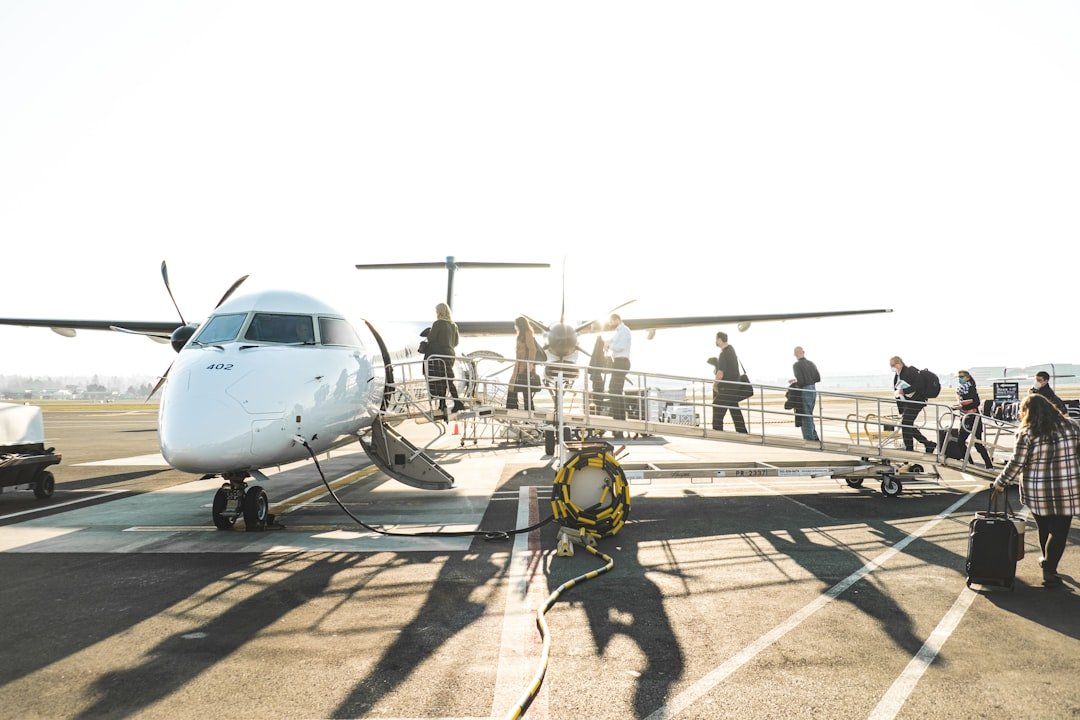
Spirit Airlines Shuts Down After 34 Years, Cancels All Flights Immediately
Why It Matters
Spirit Airlines’ sudden closure will be felt by budget-conscious travelers across the country, including Idahoans who relied on the carrier’s ultra-low-cost fares to reach popular destinations like Las Vegas and Florida. With roughly 17,000 jobs eliminated and airfares expected to rise due to reduced competition, the airline’s collapse has immediate consequences for American consumers and workers alike.
What Happened
Spirit Airlines announced Saturday, May 2, 2026, that it has permanently ceased operations after 34 years in business, effective immediately. The airline, headquartered in West Palm Beach, Florida, posted a notice on its website confirming that all flights have been canceled and that customer service is no longer available.
“We are proud of the impact of our ultra-low-cost model on the industry over the last 34 years and had hoped to serve our guests for many years to come,” the company said in its announcement. The airline described the process as an “orderly wind-down” of operations.
Spirit advised customers to expect refunds but said it would provide no assistance in rebooking travel on other airlines. Transportation Secretary Sean Duffy said travelers booked on Spirit could access special fares on a group of competing carriers for a limited time and confirmed other airlines would help Spirit crew members return to their home cities. Duffy advised passengers to check with their credit card company or travel insurance provider regarding refunds.
By the Numbers
- 34 years in operation before shutting down
- ~17,000 employees impacted by the closure, according to Spirit attorney Marshall Huebner
- More than $2.5 billion in losses recorded since the start of 2020
- $8.1 billion in debts reported when Spirit filed for bankruptcy again in August 2025
- ~1.7 million domestic passengers carried in February 2026, roughly 500,000 fewer than the same month a year prior, according to aviation analytics firm Cirium
What Led to the Collapse
Spirit has struggled financially since the COVID-19 pandemic, burdened by rising operating costs, mounting debt, and soaring jet fuel prices tied to the ongoing Iran war. The carrier filed for Chapter 11 bankruptcy protection in November 2024, then sought bankruptcy protection a second time in August 2025.
The Trump administration had considered a taxpayer-funded bailout to keep the airline afloat. As recently as Friday afternoon, President Donald Trump said his administration was “looking at it” and had presented the carrier with a final proposal for a government takeover. However, a deal was never reached.
Trump administration officials pointed to the Biden administration’s 2023 opposition to a proposed merger between Spirit and JetBlue as a key factor in Spirit’s deteriorating financial position. Biden’s Justice Department blocked the merger on antitrust grounds, leaving Spirit without a lifeline as its finances worsened. On Saturday, administration officials amplified conservative voices on social media who blamed former President Biden for the airline’s collapse.
Labor unions representing Spirit’s pilots, flight attendants, and ramp workers had urged the federal government to intervene, arguing that a shutdown would not only eliminate thousands of American jobs but also reduce airline competition and drive up ticket prices for consumers. Those concerns have now become reality. This development arrives as federal courts examine policies that could affect costs across multiple industries, adding to a broader economic picture of pricing pressure on American consumers.
Zoom Out
Spirit’s exit from the market leaves a significant void in the ultra-low-cost airline sector. The carrier had a particularly strong footprint in Las Vegas and Florida cities including Fort Lauderdale and Orlando — routes frequently used by travelers from across the Mountain West, including Idaho. With Spirit gone, remaining carriers face less pressure to keep fares low on those corridors.
The closure also comes as consumers are already navigating elevated prices across travel and entertainment sectors. Other businesses in the travel industry have recently faced federal scrutiny over pricing practices, underscoring the financial pressures facing American travelers seeking affordable options.
What’s Next
Customers holding Spirit tickets are encouraged to contact their credit card company or travel insurance provider to pursue refunds. Secretary Duffy indicated that special pricing arrangements with other airlines would be available for a limited time for affected passengers. The airline’s bankruptcy proceedings are expected to continue through the courts as the company works through its remaining financial obligations.
About the Author