Martin Falbisoner / Wikimedia Commons
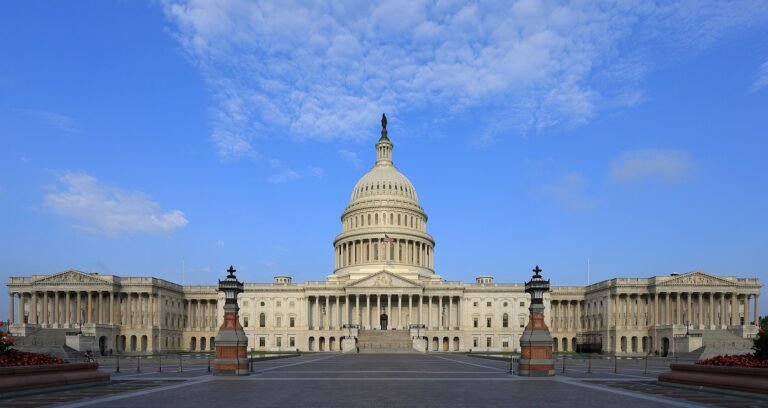
Microsoft co-founder Bill Gates appeared before the House Oversight Committee behind closed doors on Capitol Hill, answering questions about his past relationship with convicted sex offender Jeffrey Epstein and maintaining he was unaware of any criminal activity during their interactions.
Why It Matters
The congressional investigation into Epstein’s network of associates has drawn significant national attention, with lawmakers pursuing some of the wealthiest and most powerful figures in business, law, and media. The committee’s inquiry signals growing legislative interest in holding high-profile individuals accountable for ties to Epstein, regardless of their stature.
What Happened
Gates was introduced to Epstein in 2011, according to his own testimony. Gates said Epstein had presented himself as someone capable of raising billions of dollars for global health causes — an appeal Gates acknowledged influenced his willingness to engage. Their contact concluded in December 2014.
In testimony, Gates stated he never visited any of Epstein’s properties, including his private island, ranch, or Florida residence. He described his interactions with Epstein as limited and said he had no awareness of ongoing criminal conduct during any of those meetings.
Gates also disclosed that Epstein later attempted to pressure him into resuming their relationship after contact had ended, and that Epstein sought to exploit information about Gates’ personal life — specifically, an extramarital affair — as leverage.
“I never witnessed nor had any indication that Epstein was engaged in ongoing criminal conduct. I never went to his island, his ranch, or his Florida home,” Gates said in remarks from the closed-door session.
He described the initial decision to meet Epstein as a serious error: “I should never have met with Epstein in the first place.”
Inside the Hearing Room
The session was described by Rep. Robert Garcia as somewhat tense, characterizing Gates as “a little bit combative” while also acknowledging he was generally cooperative with investigators. Gates’ legal team drew a line during the proceedings, indicating he would decline to answer questions about personal affairs they considered unrelated to the Epstein matter.
House Oversight Chair James Comer pushed back on any suggestion that the committee’s questions were restricted, stating there were no limitations on the scope of the inquiry. This appearance marked the committee’s 15th interview in the investigation.
Separately, documents released in connection with the probe included draft emails attributed to Epstein, apparently composed in July 2013, that contained unverified claims about the nature of his relationship with Gates. Investigators have not confirmed whether those draft messages were ever actually sent.
By the Numbers
- 2011: Year Gates was first introduced to Epstein
- December 2014: When Gates says his interactions with Epstein concluded
- July 2013: Date of draft emails attributed to Epstein, released as part of the probe
- 15th: Number of interviews conducted by the committee in this investigation
Zoom Out
The House Oversight Committee’s Epstein investigation is part of a broader congressional push to examine the reach of Epstein’s network and whether powerful figures enabled or overlooked his criminal conduct. As Congress pursues this inquiry, it operates alongside other high-profile oversight efforts. The House recently rejected a measure that would have constrained presidential authority on Iran policy, reflecting the chamber’s active engagement across multiple national security and oversight fronts.
Chairman Comer indicated additional testimony is planned for July, with Alan Dershowitz and acting Attorney General Todd Blanche among those expected to be called before the committee.
What’s Next
With at least two more prominent witnesses scheduled for July hearings, the committee shows no sign of concluding its investigation quickly. Whether the probe leads to formal legislative action, referrals to the Justice Department, or simply a public record of Epstein’s connections to powerful individuals remains to be seen. Public pressure for full transparency in the investigation is likely to intensify as additional figures are called to testify.
About the Author