Diliff / Wikimedia Commons
Why It Matters
Montana is home to some of the most visited and most deteriorating national park infrastructure in the country. Yellowstone National Park alone carries an estimated $1.5 billion in deferred maintenance — crumbling roads, aging visitor facilities, and neglected utilities that affect millions of visitors each year. A bill moving through the U.S. Senate could direct significant federal dollars toward fixing that backlog, and its lead author is Montana’s own Senator Steve Daines.
What Happened
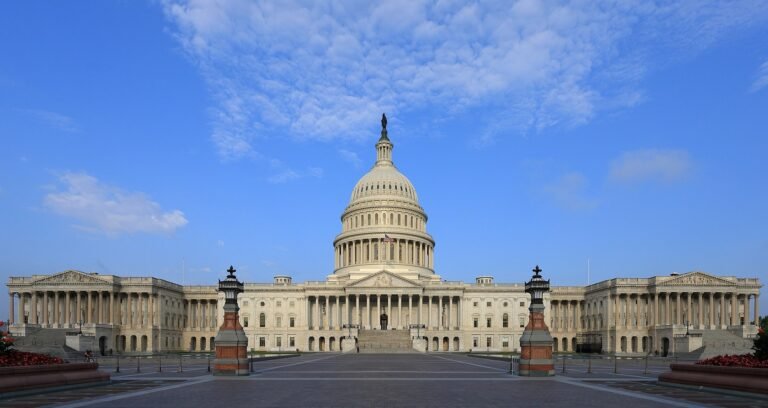
The Senate Energy and Natural Resources Committee voted unanimously Wednesday to send the America the Beautiful Act to the full Senate for consideration. The bipartisan legislation, co-authored by Senator Daines (R-MT) and Senator Angus King (I-ME), proposes close to $10 billion in spending to address the growing maintenance backlog at the nation’s national parks and other federal lands.
The bill reauthorizes the Great American Outdoors Act, a 2020 law Daines originally authored, which created the Legacy Restoration Fund. That fund distributes up to $2 billion per year to the National Park Service, U.S. Forest Service, Bureau of Land Management, U.S. Fish and Wildlife Service, and Bureau of Indian Education for deferred maintenance projects.
Committee Chairman Mike Lee (R-UT), who opposed the 2020 version, allowed the bill to advance despite lingering objections. Lee noted the original act’s stated goal was to reduce the maintenance backlog — yet six years later, the problem has grown substantially. “If the intended purpose of the Great American Outdoors Act was to reduce the backlog, and six years later it’s significantly larger, what should Congress do?” Lee said during the committee session.
By the Numbers
- $43 billion — current estimated national park maintenance backlog, up from $26 billion in 2020
- $1.5 billion — Yellowstone National Park’s share of that backlog
- Up to $2 billion per year — annual Legacy Restoration Fund allocation under the bill
- 64 — number of Senate cosponsors on the America the Beautiful Act
- 80 percent — share of gate fee revenue each park currently retains under existing law
Foreign Visitor Surcharge Controversy
One provision drawing attention is the bill’s treatment of a $100 surcharge the Interior Department imposed on foreign visitors to national parks. Under the proposed law, all revenue generated by that surcharge would flow directly into the Legacy Restoration Fund rather than the parks’ general operating budgets.
Senator Alex Padilla (D-CA) raised concerns about that provision, warning that enforcement of the foreign visitor fee could turn national parks into document-checking stations. “Parks could become de facto immigration checkpoints where hard-working Park Service staff would be required to check passports or birth certificates,” Padilla said in committee.
Supporters of the surcharge provision counter that directing those dollars to infrastructure repairs is a straightforward way to fund maintenance without raising costs on American taxpayers.
Zoom Out
The widening maintenance backlog — from $26 billion to $43 billion in just six years — reflects a structural funding problem that has persisted across multiple administrations. Western states, which contain the bulk of federally managed lands, bear the greatest burden of deteriorating infrastructure. Montana’s transportation and land management challenges extend beyond the parks, with ongoing debates over federal highway designations and wildlife corridor protections also shaping how the state interacts with federal infrastructure dollars.
The bill’s 64 cosponsors suggest strong appetite in the Senate for addressing the issue, though the breadth of support has not fully silenced critics concerned about the bill’s scope or its enforcement mechanisms.
What’s Next
Before the legislation reaches President Donald Trump’s desk, the Senate version must be reconciled with a companion House bill. Both chambers would need to agree on final language. The White House is anticipated to sign the measure by July 4, a symbolically fitting deadline for legislation focused on preserving the country’s most iconic public lands. Whether Congress can finalize reconciliation in that window remains the central procedural question heading into the coming weeks.
About the Author