Beijing Seeks Alliances as Trade War Truce With U.S. Remains Fragile
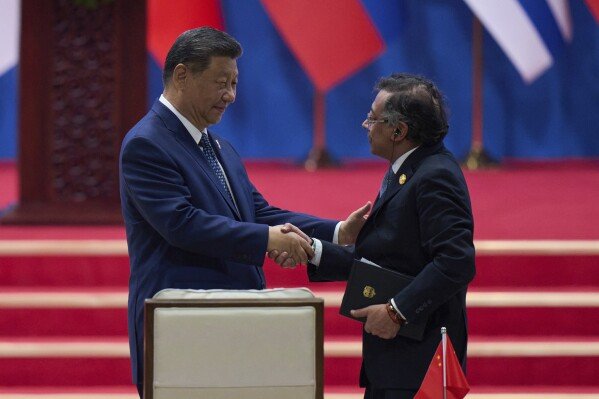
China is moving quickly to solidify its global alliances in the wake of a fragile 90-day truce in its escalating trade dispute with the United States. Just one day after announcing the temporary suspension of steep mutual tariffs, Chinese President Xi Jinping met with leaders from Latin America and the Caribbean, calling for deeper cooperation and denouncing U.S. trade policy.
Xi criticized what he labeled “bullying” and “hegemonism,” referencing U.S. protectionism under President Donald Trump. “There are no winners in tariff wars,” Xi said, echoing Beijing’s longstanding position against Washington’s approach.
Beijing Offers Billions to Strengthen Latin Ties
In a speech to the China-CELAC Forum, Xi pledged:
- A $9.2 billion credit line to support Latin American financing.
- Increased imports of agricultural and energy goods.
- Investment expansion in 5G, AI, and clean energy sectors.
- 3,500 scholarships and annual visits for 300 Latin American politicians.
- Visa-free travel for citizens of five unnamed countries.
These efforts come as Chinese trade with Latin America topped $500 billion last year, thanks to growing imports of soybeans, beef, and critical minerals—goods once sourced heavily from the U.S.
Colombia Joins Belt and Road Amid Strategic Expansion
In a symbolic boost to China’s global Belt and Road Initiative, Colombia formally joined the BRI this week, despite prior delays on several infrastructure projects in the region. The move underscores China’s intent to displace U.S. influence in the Western Hemisphere by offering more predictable and lucrative partnerships.
WTO and Allies Voice Concern Over U.S. Tariff Policy
Meanwhile, World Trade Organization chief Ngozi Okonjo-Iweala warned that Trump’s unilateral tariff policies are putting global trade at risk. During a meeting in Tokyo, she urged Japan to help uphold the multilateral trading system, even as it continues its own unresolved negotiations with the U.S. over tariffs on steel, autos, and other exports.
Trump’s Second-Term Trade Agenda Still Unfolding
While the U.S.-China tariff truce has temporarily halted market volatility, the broader implications of Trump’s second-term trade agenda remain uncertain. His administration has continued pushing higher tariffs to reduce U.S. reliance on global supply chains and pressure companies to return manufacturing to American soil.
Investor optimism over the truce faded quickly this week, with stock and oil rallies losing momentum on Tuesday as global markets weighed the depth of geopolitical division.
Conclusion
China’s renewed focus on Latin America signals a strategic recalibration aimed at countering U.S. trade influence while promoting multipolar cooperation. As President Trump intensifies his domestic manufacturing agenda, China is positioning itself as a stable and generous economic partner for emerging regions seeking alternatives to the current U.S.-led trade order.
About the Author