Idaho House Approves Tax Conformity Legislation
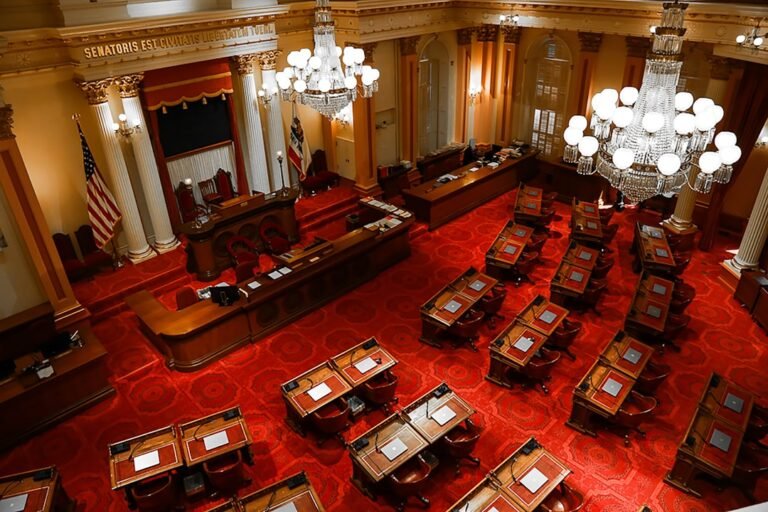
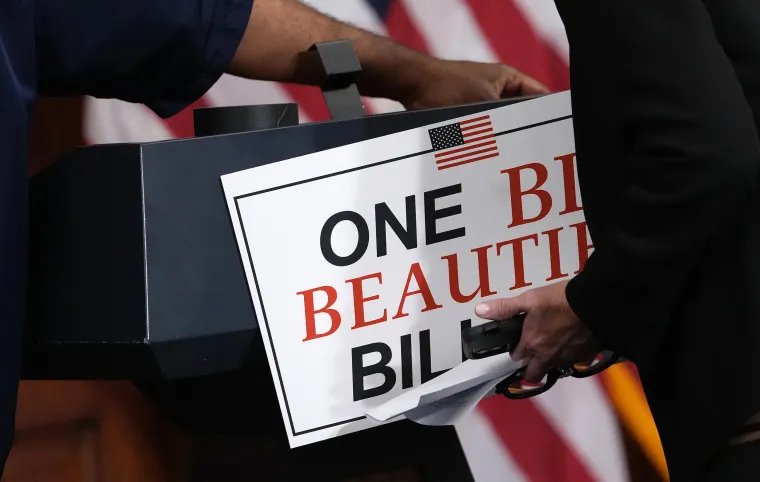
The Idaho House of Representatives approved House Bill 559 in a party-line vote, moving forward a proposal that aligns Idaho’s tax code with most provisions of a recent federal tax law commonly referred to as the “One Big Beautiful Bill Act.”
The measure now advances to the Idaho Senate for consideration. Lawmakers debated the proposal for roughly 45 minutes before voting 59 to 9, with two members absent.
Supporters said the bill is designed to provide tax relief to Idaho residents and improve the state’s competitiveness for workers and businesses.
Estimated Fiscal Impact on the State Budget
State fiscal analysts estimate the tax conformity changes would reduce state revenue by approximately:
- $155 million in the current fiscal year
- $175 million in the next fiscal year
The current fiscal year ends June 30. Because the changes would apply to 2025 tax filings, the revenue impact would be felt immediately.
Bill sponsors emphasized that the proposal addresses tax policy rather than spending decisions. They argued that budget priorities and agency funding levels are determined through separate legislative processes.
Key Tax Provisions Included
House Bill 559 would mirror most of the federal tax provisions now available at the state level. These include:
- Deductions related to workers’ tips
- Elimination of state income taxes on overtime pay
- An increased standard deduction for seniors
- Business incentives related to research and experimentation expenses
The individual tax provisions would sunset in 2028 under the federal framework. Business-related deductions would continue on an ongoing basis.
The research and experimentation deduction would be phased in under Idaho’s approach, with full deductions applying beginning in 2025.
Budget Context and Agency Pressures
The vote comes during a year in which many state agencies have already been directed to reduce spending due to projected budget shortfalls.
Earlier directives required most agencies to implement midyear reductions. Additional scenarios under consideration include further percentage cuts for both the current and upcoming fiscal years.
Agency leaders have indicated that further reductions could affect operations and services, depending on final legislative budget decisions.
Supporters Emphasize Economic Growth and Tax Relief
Republican leaders backing the bill said aligning Idaho with federal tax policy helps reduce compliance burdens and allows families and workers to retain more of their earnings.
Supporters also argued that tax relief can stimulate economic activity by increasing consumer spending and private investment, which they said can partially offset revenue reductions through broader economic growth.
They framed the bill as part of a long-term effort to keep Idaho competitive for workforce retention and business expansion.
Opposition Raises Concerns Over Budget Tradeoffs
Democratic lawmakers raised concerns about the timing and scale of the revenue impact, arguing that reductions in state revenue could increase pressure on existing programs.
Opponents questioned whether the cost estimates fully capture the long-term fiscal effects and warned that lawmakers may face difficult tradeoffs during upcoming budget negotiations.
Despite those concerns, the bill cleared the House and now moves to the Senate for further debate.
What Happens Next
House Bill 559 will be reviewed by the Idaho Senate, where lawmakers may amend, advance, or reject the proposal.
If approved by the Senate and signed by the governor, the tax conformity changes would take effect for 2025 tax filings, shaping state revenue collections in the final months of the current fiscal year.
Related Coverage
Idaho News – https://idahonews.co/idaho-news-3/
National News – https://idahonews.co/national-news/
About the Author