Why It Matters
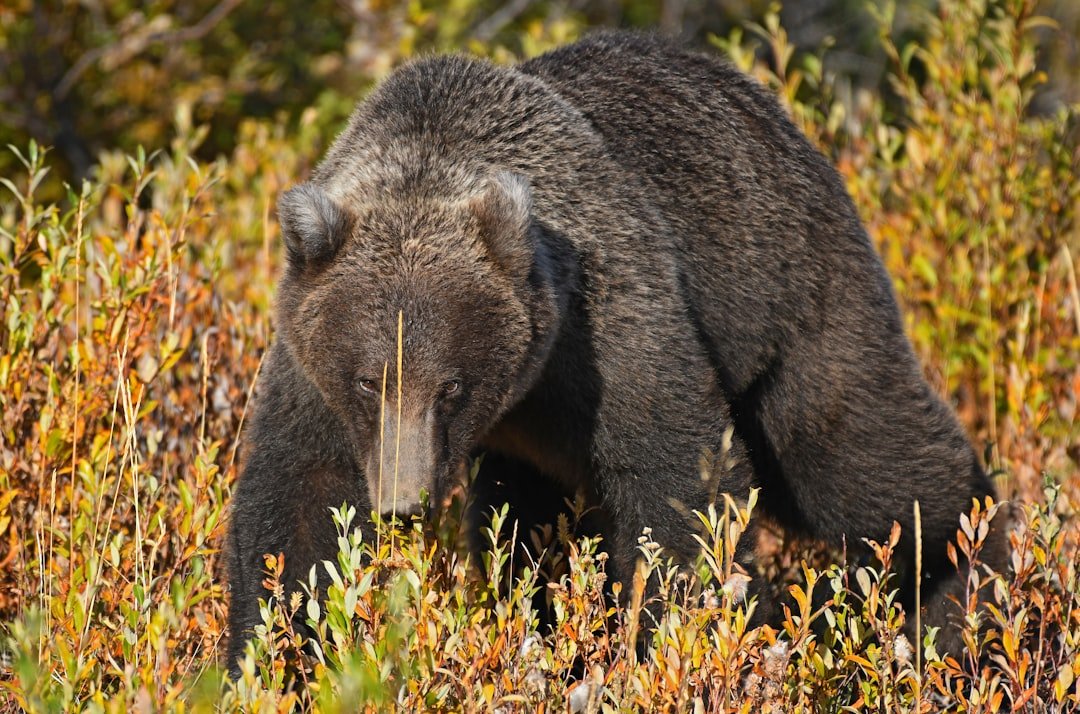
The birth of two grizzly cubs to a transplanted female bear in Montana’s Greater Yellowstone region signals progress in the federal government’s effort to remove grizzlies from endangered species protection. The successful reproduction of Grizzly 1126F, a sow relocated from Montana’s Bob Marshall Wilderness to Yellowstone National Park, demonstrates that wildlife managers can expand the genetically isolated Greater Yellowstone population through strategic transplants. As federal officials move forward with delisting proposals, this spring’s cub births underscore the biological recovery that could support removing Endangered Species Act protections from the region’s grizzlies.
What Happened
Wyoming Game and Fish biologists documented the cubs on March 27 when a monitoring flight photographed Grizzly 1126F emerging from her hibernation den in the Teton Wilderness with two newborn cubs visible at her side. The discovery marked a significant milestone for a population management strategy focused on genetic diversity and population expansion in the Greater Yellowstone ecosystem.
Grizzly 1126F was transplanted from Montana’s Bob Marshall Wilderness to Yellowstone National Park as part of efforts to improve genetic variation within the Greater Yellowstone population, which had been separated from northern Rocky Mountain grizzlies for more than a century. The successful birth of viable cubs validates the transplant program’s core objective and provides tangible evidence that relocated females can reproduce successfully in their new habitat.
The cub discovery comes as federal wildlife managers prepare for what officials are describing as a busy year for grizzly bear delisting activity across the Northern Rockies. The Greater Yellowstone and Northern Continental Divide grizzly populations, managed under the Endangered Species Act since 1975, have shown measurable recovery over the past two decades.
By the Numbers
- Greater Yellowstone grizzly population has grown to an estimated 1,000-plus bears, up from roughly 600-700 in the early 2000s
- Greater Yellowstone grizzlies had been genetically isolated from northern populations for more than 100 years before recent transplant efforts
- Federal and state wildlife agencies coordinate annual grizzly population surveys across the Greater Yellowstone region
- The Northern Continental Divide population has similarly expanded to approximately 1,000 bears
- Transplant programs aim to increase genetic mixing between previously separated population segments
Zoom Out
The cub births occur within the context of broader federal efforts to remove grizzly bears from Endangered Species Act protection in the Northern Rockies. The Greater Yellowstone and Northern Continental Divide populations have been the focus of recovery targets for decades. Wildlife managers argue that measurable population growth, expanded geographic range, and successful reproduction indicate the populations have met or exceeded recovery criteria established under the ESA.
Montana and Wyoming game officials have advocated for delisting, contending that the populations can sustain hunting and that state-level management should replace federal oversight. Environmental groups and some tribal representatives have expressed concerns about delisting, arguing that long-term monitoring should continue and that climate change and human development pose ongoing threats to grizzly habitat.
The delisting process involves federal biological review, interagency coordination, and formal rulemaking procedures. A busy year in delisting activity suggests federal wildlife managers are advancing these procedural steps across multiple grizzly populations in the region. The transplant program’s success strengthens the scientific case for population recovery and management transition to state authorities.
What’s Next
Federal wildlife managers are expected to continue population monitoring throughout the spring and summer to document additional births and survival rates. The success of transplanted grizzlies like 1126F will factor into biological opinions and recovery assessments that inform delisting timelines.
Montana and Wyoming wildlife agencies are positioning themselves to assume primary management responsibility for grizzly bears if delisting proceeds. State wildlife officials have indicated readiness to implement hunting seasons and manage human-bear conflicts under state law, a transition that would represent a significant shift from decades of federal ESA management.
The coming months will likely bring additional federal announcements regarding delisting proposals, recovery status assessments, and the timeline for removing Greater Yellowstone and Northern Continental Divide grizzlies from federal protection lists.
About the Author