Why It Matters
Washington state’s new millionaires tax could have ripple effects across the Pacific Northwest, including in neighboring Idaho, as high-income earners and business owners in the region weigh residency and relocation decisions. Idaho has long attracted residents fleeing higher-tax states, and a new income tax on top earners in Washington may accelerate that trend.
The signing marks a significant shift in Washington’s tax structure, which has historically relied on sales taxes rather than income taxes to fund state government.
What Happened
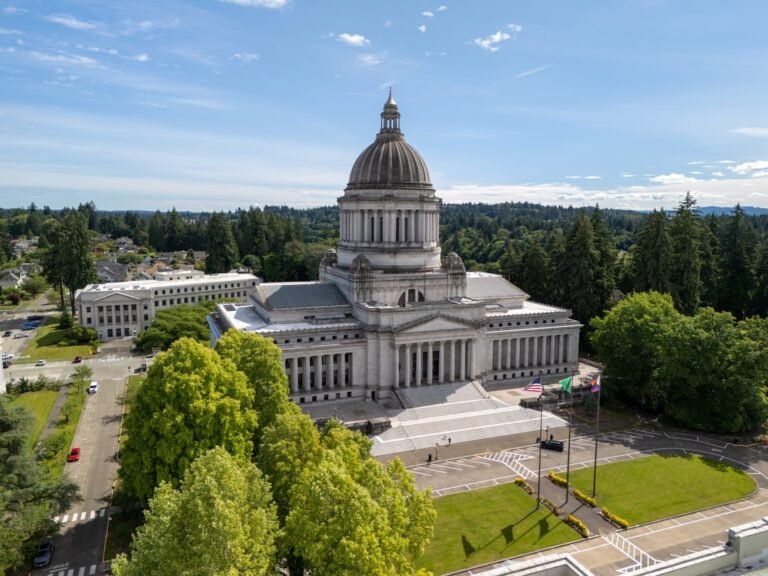
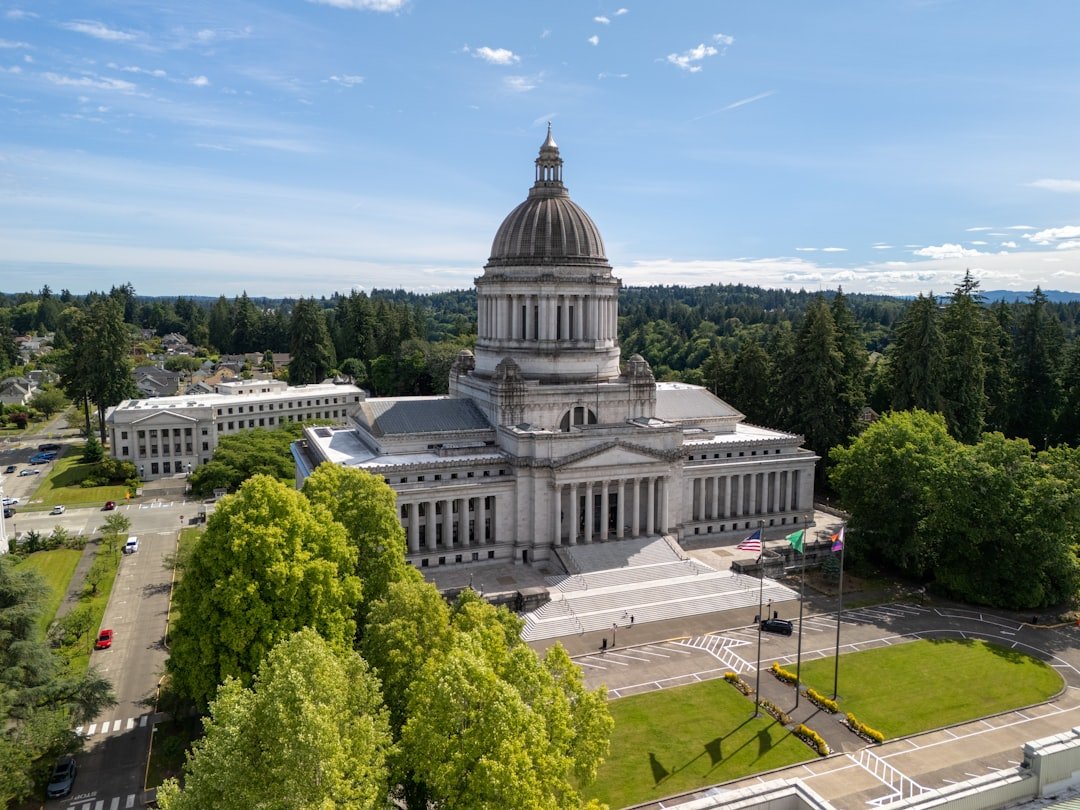
Washington Governor Bob Ferguson signed Senate Bill 6346 into law on Monday, March 30, 2026, at the state capitol in Olympia. The legislation imposes a 9.9% income tax on household earnings exceeding $1 million annually, applying only to income above that threshold.
The bill is set to take effect on January 1, 2028, with the state beginning to collect revenue from the tax in 2029. The final version of the legislation includes expanded tax relief provisions for small businesses and low-income families, amendments that were added as the bill moved through the legislature.
“In my state of the state address, I called on all of us not just to be witnesses to history, but to make history together,” Ferguson said at the signing ceremony. “I’m proud to join all of you in making history today by signing into law Senate Bill 6346, the millionaires tax.”
By The Numbers
- 9.9% — The income tax rate applied to earnings above $1 million per household annually
- $1 million — The income threshold; earnings below this level are not subject to the new tax
- 2028 — The year the law takes effect
- 2029 — The first year the state will collect revenue under the new tax
- 4 categories — Revenue is designated for schools, health care, higher education, and public safety, according to bill sponsors
Zoom Out
Washington has long operated without a broad-based income tax, relying heavily on its state sales tax — one of the highest in the nation — and business and occupation taxes. Critics have argued this structure places a heavier burden on lower- and middle-income residents as a percentage of their income, which supporters of SB 6346 pointed to as justification for the new levy.
The bill divided lawmakers along largely partisan lines, with Democrats generally supporting the measure and Republicans opposing it. Representative April Berg, a Democrat from Everett and chair of the House Finance Committee, championed the bill, arguing it would redirect resources toward essential public services.
Opponents have raised concerns that the tax could push high-income residents and business owners out of Washington entirely, potentially reducing the overall tax base rather than expanding it. For Idaho, that dynamic could represent an economic opportunity. The state has seen consistent population growth in recent years, driven in part by in-migration from California, Oregon, and Washington — a pattern that could be reinforced if Washington’s tax climate becomes less competitive for high earners.
Idaho currently has a flat income tax rate of 5.8% on all taxable income, making it comparatively more attractive to those earning above the new Washington threshold. Boise and the Treasure Valley have already emerged as popular relocation destinations for Pacific Northwest residents seeking lower taxes and a lower cost of living.
Legal challenges to the law are considered likely. A prior Washington capital gains tax faced court battles before being upheld by the state Supreme Court in 2023, and similar challenges are expected for the broader income tax measure.
What’s Next
With the bill signed, the Washington state Department of Revenue will begin the process of developing implementation rules and guidance ahead of the January 2028 effective date. Taxpayers in Washington will not be required to file or pay the new tax until the 2029 tax year.
Opponents of the legislation, including several business groups, have signaled they may pursue legal or ballot-measure challenges to the law before it takes effect. Washington voters have rejected income tax proposals multiple times in past ballot initiatives, which could set the stage for a referendum effort in the coming years.
The long-term impact on Washington’s economy — and on neighboring states like Idaho that may benefit from high-earner relocation — will likely become clearer as the 2028 effective date approaches.
About the Author