Why It Matters
The restructuring of the U.S. Forest Service will directly affect Oregon’s federal land management operations, eliminating a regional hub that has served the Pacific Northwest for a century. The closures could impact how Oregon’s vast federal forests — covering nearly 16 million acres — are managed, researched, and overseen for years to come.
Oregon communities that rely on timber harvests, recreation revenue, and wildfire response coordination tied to federal forest lands have a significant stake in how smoothly any transition unfolds.
What Happened
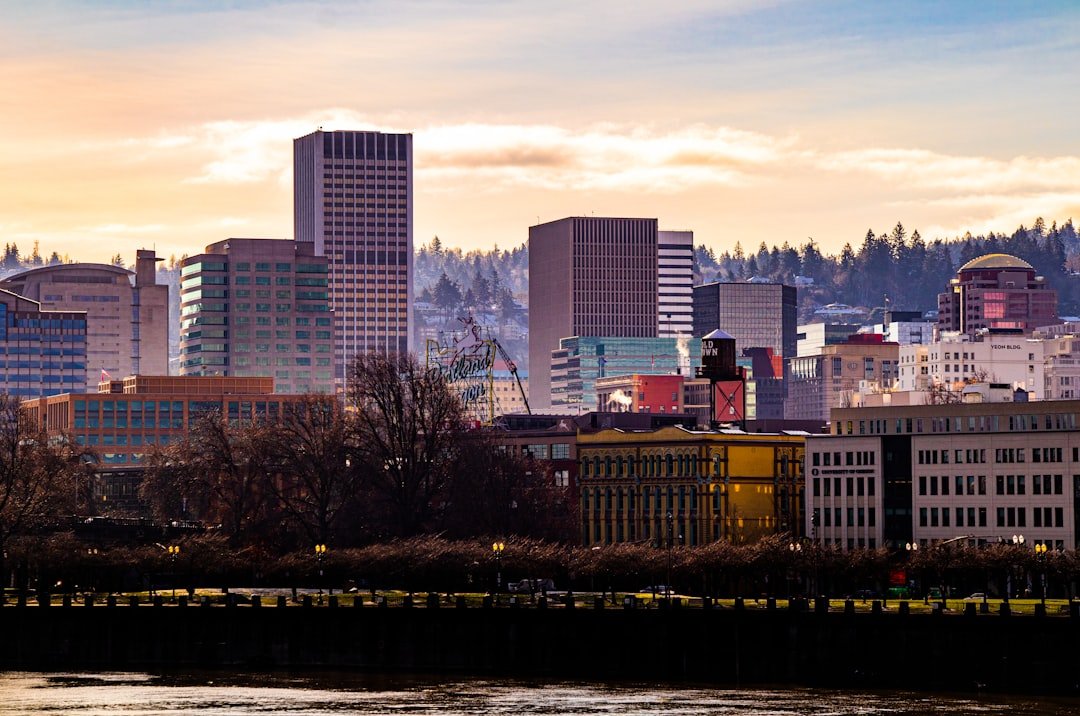
The U.S. Forest Service announced Tuesday, April 1, a sweeping national restructuring that includes closing its Portland-based Pacific Northwest Regional headquarters and the 100-year-old Pacific Northwest Research Station. In their place, a new state-level Forest Service office will open in Salem, Oregon.
The changes are part of a broader USDA-directed reorganization that will shift the Forest Service’s national headquarters from Washington, D.C., to Salt Lake City, Utah. All nine regional Forest Service offices across the country are slated for closure as part of the consolidation plan.
Seven regional research stations, including the Pacific Northwest Research Station in Portland, will be merged into a single national research station located in Fort Collins, Colorado. U.S. Department of Agriculture Secretary Brooke Rollins is overseeing the restructuring effort, which Forest Service officials say is designed to move agency operations closer to the western lands they manage.
Smaller Forest Service research and development facilities in Corvallis and La Grande, Oregon — both associated with the Pacific Northwest Research Station — are expected to remain open under the current plan.
By the Numbers
- 100 years: Approximate age of the Pacific Northwest Research Station being closed in Portland
- 9: Total regional Forest Service offices nationwide slated for closure
- 7: Regional research stations to be consolidated into one facility in Fort Collins, Colorado
- ~16 million: Acres of federal forest land in Oregon managed under Forest Service oversight
- 1: New Oregon state-level Forest Service office to open in Salem
Zoom Out
The restructuring reflects a broader trend under the Trump administration to decentralize federal agencies away from Washington, D.C., and position them closer to the regions and industries they regulate. The Forest Service manages roughly 193 million acres of national forest and grasslands nationwide, with a heavy concentration in the Mountain West and Pacific Northwest.
Oregon, Washington, and Idaho collectively contain some of the largest tracts of federally managed forestland in the lower 48 states. Closing the Portland-based Region 6 headquarters removes a long-standing administrative anchor for federal forest policy across the Pacific Northwest, potentially shifting decision-making authority further from the communities most affected.
The move to Salt Lake City for national headquarters aligns with similar efforts by other federal agencies to relocate operations westward, a policy direction that proponents argue brings federal bureaucrats closer to the lands and stakeholders they serve. Critics have raised concerns about institutional knowledge loss and disruption to ongoing forest management and wildfire preparedness programs. Oregon has also seen other regulatory changes in recent months, including electricity rate increases approved for Pacific Power and PGE customers, adding to the financial pressures facing Oregon households and businesses.
What’s Next
Forest Service officials have not yet announced a firm timeline for the Portland office closures or the Salem office opening. Details on staffing transitions, affected employee counts, and the formal transfer of research functions to Fort Collins are expected in subsequent announcements from the USDA.
Oregon lawmakers and state forestry officials are likely to weigh in as specifics emerge, particularly regarding how the new Salem office will be staffed and what authorities it will hold compared to the regional headquarters it is replacing. Congressional oversight hearings on the broader Forest Service restructuring are also anticipated as the plan moves forward.
Residents, timber industry stakeholders, and conservation groups with interests in ongoing federal policy debates are expected to closely monitor how the transition affects permitting, wildfire coordination, and land-use planning across Oregon’s federal forests.
About the Author
