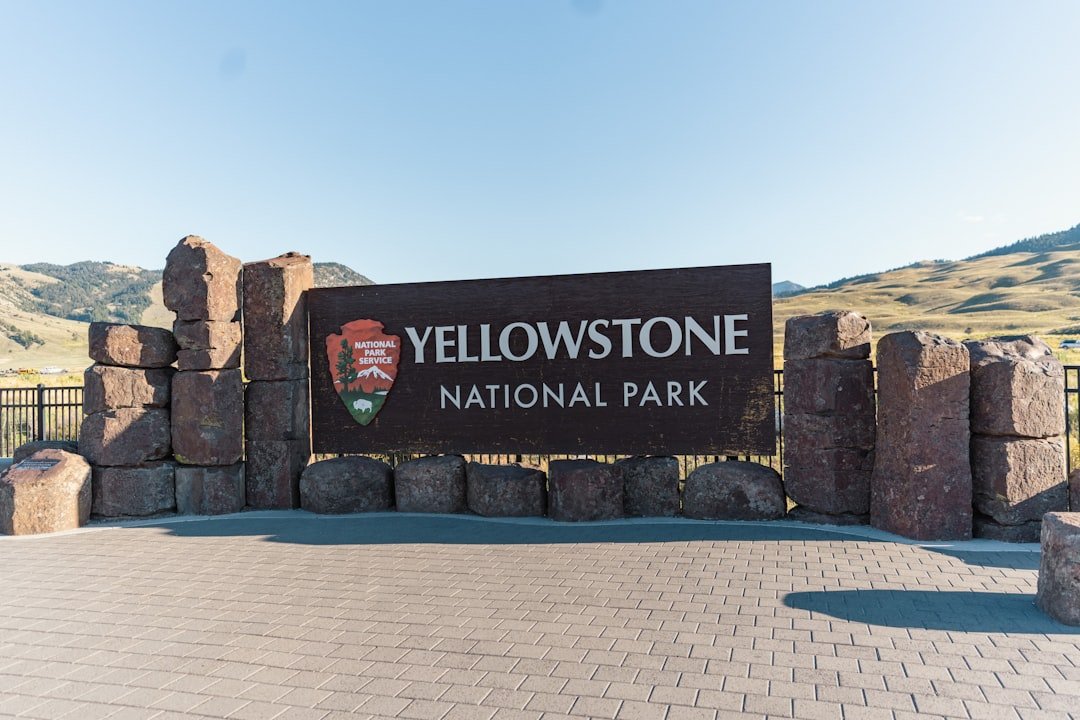
Yellowstone National Park to Open Key Entrances and Roads to Visitors on April 17
Why It Matters
For Idahoans and visitors across the Mountain West, Yellowstone National Park’s spring reopening marks one of the most anticipated outdoor events of the year. Although the bulk of Yellowstone sits in Wyoming, a roadless section of the park extends into Idaho, and communities like West Yellowstone, Montana — just north of the Idaho border — serve as major gateway hubs for Idaho residents looking to experience one of America’s most iconic national treasures.
The April 17 target date gives families, outdoor enthusiasts, and small tourism-dependent businesses a concrete window to plan around after a long winter shutdown.
What Happened
Yellowstone National Park officials announced this week that crews plan to reopen select entrances and roads to public vehicle traffic on April 17, 2026, weather permitting. The announcement was made via a press release from park officials.
Two main entrances are slated to open on that date: the West Entrance in West Yellowstone, Montana, and the North Entrance in Gardiner, Montana. Both closures are standard procedure each year, as harsh winters and heavy snowpack make the roads impassable and unsafe for public use throughout the colder months.
Once those entrances open, visitors will be able to access several of the park’s most popular destinations, including Old Faithful, Mammoth Hot Springs, the Lamar Valley, the Grand Canyon of Yellowstone, and the Norris Geyser Basin. The road connecting the North Entrance at Gardiner to the Northeast Entrance at Cooke City, Montana, remains open year-round.
Additional entrances throughout the park remain closed but are expected to reopen progressively as snowpack recedes and road conditions improve through the spring season.
Visitor Cautions
Park officials were direct in warning early-season visitors to prepare for difficult and unpredictable conditions. Services will be limited, and many hiking paths and boardwalks are expected to remain snow-covered when the entrances first open.
“Anticipate possible road closures due to inclement weather and dangerous driving conditions,” Yellowstone officials wrote Wednesday. “Temporary travel restrictions or closures can occur at any time without notice. Have flexible travel plans.”
Officials stressed that sudden closures can happen without warning and urged all visitors to maintain flexible itineraries.
By the Numbers
- April 17, 2026 — targeted reopening date for vehicle traffic at two main entrances
- 2 entrances opening initially: West Entrance (West Yellowstone, MT) and North Entrance (Gardiner, MT)
- 49 miles of Yellowstone roads currently accessible to cyclists before vehicle traffic resumes
- 3 states — Wyoming, Montana, and Idaho — share Yellowstone National Park’s boundaries
A Rare Window for Cyclists
Before vehicle traffic returns on April 17, cyclists have a rare opportunity to enjoy a 49-mile stretch of Yellowstone roads without cars. Starting from the West Entrance, cyclists can pedal to Madison Junction, the Norris Geyser Basin, and Mammoth Hot Springs on an out-and-back route.
The car-free window offers an unmatched experience in one of America’s most visited national parks. During a similar spring cycling window in April 2023, a reporter riding the route spotted bison, a coyote, a fox, a bald eagle, beavers, otters, loons, and geese — and more animals than fellow visitors.
Zoom Out
Yellowstone’s spring reopening is part of a broader pattern across the Mountain West, where federally managed public lands draw millions of visitors and generate significant economic activity for surrounding rural communities. The park’s gateway towns — including those just across the Idaho border — depend heavily on tourism dollars that begin flowing each spring.
With federal land management decisions continuing to shape recreation access across the region, the National Park Service’s ability to maintain roads and infrastructure remains critical. Federal emergency and disaster preparedness efforts also play a role in how quickly park infrastructure recovers after severe winters — a concern not lost on Idaho residents who rely on federal coordination. President Trump recently approved a major disaster declaration for Idaho, underscoring the federal government’s ongoing role in supporting the Mountain West through difficult weather seasons.
What’s Next
Park crews will continue monitoring weather and road conditions in the days leading up to April 17. Additional entrances across Yellowstone are expected to open on a rolling basis throughout the spring. Visitors can check the current status of Yellowstone roads, maps, and construction projects on the park’s official website, which is updated regularly. Officials recommend all travelers check road conditions immediately before departure and build extra flexibility into their plans.
About the Author
