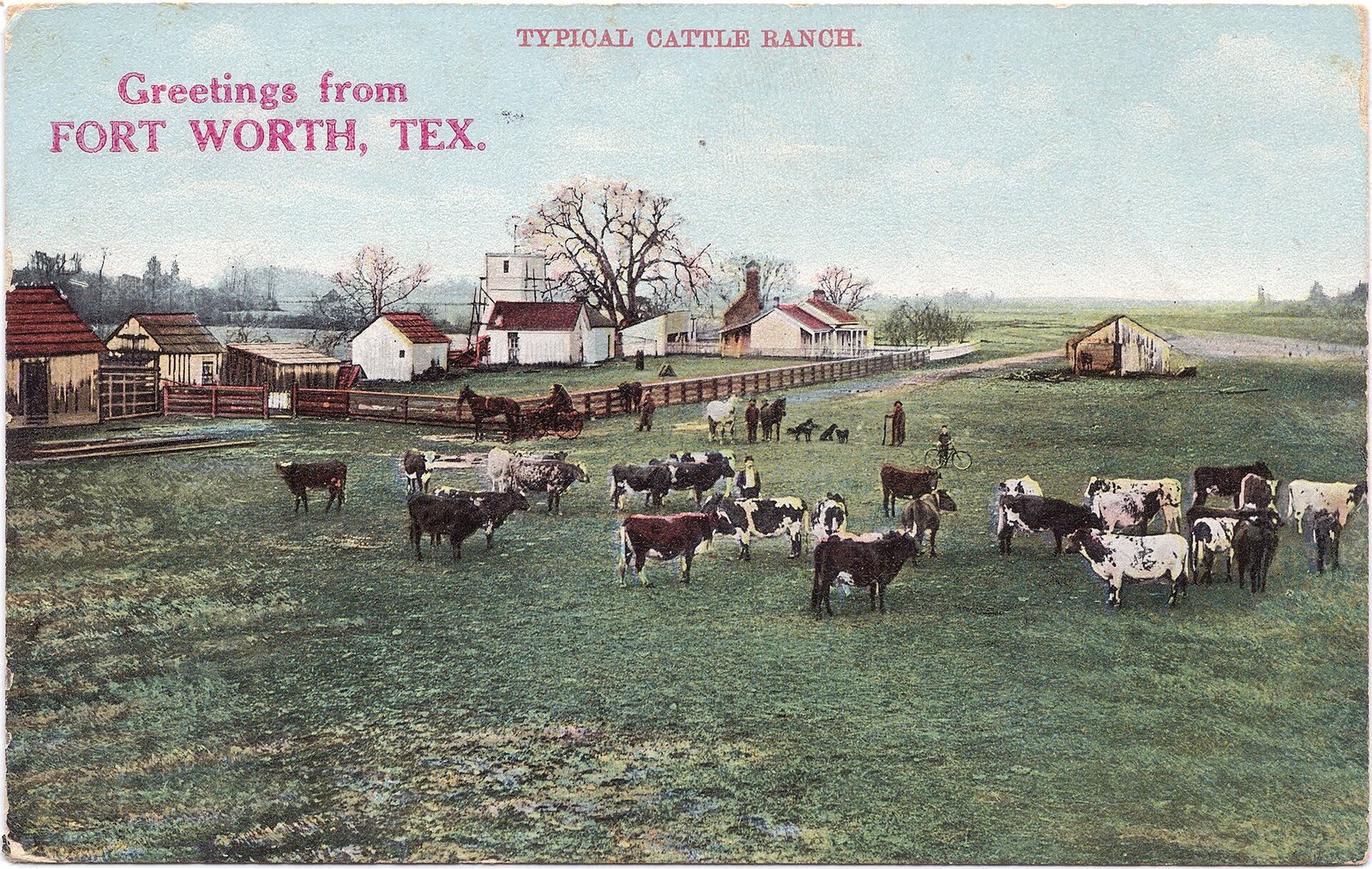
Adolph Selige Pub. Co. / Wikimedia Commons
A flesh-eating parasite not seen in Texas in nearly six decades has resurfaced near the U.S.-Mexico border, prompting federal and state officials to impose a quarantine and warning ranchers and pet owners to remain vigilant. The detection raises fresh concerns about the livestock and wildlife threat posed by the New World screwworm fly — a pest once wiped out through a decades-long eradication campaign.
Why It Matters
The screwworm fly poses a serious threat to livestock operations across the Mountain West and the entire cattle industry. Before its eradication in the 1970s, the pest cost American agriculture tens of millions of dollars in losses annually. A re-establishment in the United States could have wide-ranging economic consequences for ranchers in Idaho, Wyoming, Texas, and beyond — particularly at a time when federal agencies are already stretched managing other animal health threats.
The fly’s larvae are parasitic, feeding on living tissue. Female flies deposit eggs in open wounds or mucous membranes of warm-blooded animals, and infestations can spread to livestock, wild mammals, household pets, and, in rare cases, humans.
What Happened
The USDA confirmed Wednesday that a three-week-old calf in LaPryor, Texas — a small community roughly 50 miles from the Mexican border — tested positive for the New World screwworm fly. It marks the first confirmed case in Texas since 1966 and only the third detection in the United States in decades.
Texas State Veterinarian Bud Dinges moved quickly, establishing a 12-mile quarantine zone around the affected area. The zone prohibits movement of warm-blooded animals, including pets, without prior inspection. Dinges urged area residents and agricultural operators to cooperate, saying, “Please help us prevent any further movement of this pest by staying put.”
Agriculture Secretary Brooke Rollins sought to temper concern over the find, stating, “There is no reason to believe this incursion will result in establishment of the pest in our country.” No additional detections have been reported elsewhere in the United States.
By the Numbers
- 1966: The last time screwworm was confirmed in Texas prior to this week’s detection
- 12 miles: The radius of the quarantine zone established around LaPryor
- 25 miles: How close confirmed Mexican cases are to the U.S. border
- 8,000: Fly traps currently deployed along the U.S.-Mexico border by the USDA
- $750 million: Cost of a screwworm fly sterile-insect factory under construction in southern Texas
- $21 million: USDA funding allocated to convert a fruit-fly facility in southern Mexico to aid containment efforts
Zoom Out
The screwworm’s re-emergence follows a troubling northward migration from Central America. The fly was held in check in Panama until late 2024, but confirmed cases in Mexico have since appeared within 25 miles of the U.S. border. In August 2025, a Maryland resident who had traveled to El Salvador was diagnosed with screwworm — though that individual recovered and no further transmission was identified.
A prior outbreak struck the Florida Keys in September 2016, mostly affecting wild deer populations, and was contained by early 2017. The U.S.-Mexico border remains closed to livestock imports from Mexico as authorities work to contain the threat. The primary control strategy relies on dispersing sterile male flies to mate with wild females, preventing reproduction — the same method that drove the pest to near-extinction in the 1970s.
The USDA has tested more than 58,000 fly samples and approximately 19,000 wild animals as part of its surveillance network. The screwworm threat is a reminder that biosecurity gaps along the southern border carry consequences well beyond immigration policy — the agricultural stakes for states like Idaho and Wyoming are substantial. Federal investment in livestock and wildlife health, including Wyoming’s ongoing predator control programs and USDA agricultural grants to University of Idaho farmers, underscores how closely rural economies depend on proactive federal animal health oversight.
What’s Next
Federal and Texas state officials are conducting surveillance in the quarantine zone and monitoring for any additional cases. The USDA is expected to increase sterile fly releases in the affected region. Ranchers and pet owners within the quarantine boundary are required to comply with movement restrictions until authorities determine the scope of the incursion and clear affected animals through inspection.
About the Author