U.S. Forest Service / Wikimedia Commons
Blackfoot, Idaho Implements Water Restrictions Amid Drought Conditions and Low Snowpack
Why It Matters
For residents and agricultural producers in the Blackfoot area, water restrictions represent a direct hit to daily life and livelihoods. Eastern Idaho’s economy depends heavily on irrigation and farming, making reliable water access a critical concern as the region heads deeper into the growing season.
Low snowpack in the mountains that feed the Snake River Plain’s water systems has raised alarms across the region, and Blackfoot’s decision to act early reflects the reality that communities cannot afford to wait for conditions to worsen before taking steps to protect supply.
What Happened
The city of Blackfoot, Idaho has implemented water use restrictions following concerns over drought conditions and below-average snowpack levels that threaten the area’s water supply. Officials moved to put the measures in place as a precautionary response to declining water availability heading into the warmer months of 2026.
The restrictions are aimed at reducing water consumption across the city while supplies remain under pressure. Residents and businesses are expected to comply with the new usage rules as authorities monitor conditions and assess whether further action will be necessary.
Blackfoot, located in Bingham County in southeastern Idaho, sits in a region where agriculture and water-intensive industries make conservation efforts particularly consequential. The timing of the restrictions, coming ahead of peak irrigation season, underscores the urgency local officials are placing on the situation.
By the Numbers
- Snowpack levels across parts of Idaho have fallen below seasonal averages, reducing the mountain runoff that replenishes rivers and reservoirs relied upon by communities like Blackfoot.
- Eastern Idaho’s agricultural sector accounts for a significant share of the state’s overall farm output, with potato production alone placing Idaho among the top agricultural states in the nation.
- Drought conditions have affected large portions of the Mountain West in recent years, with water managers across the region watching snowpack data closely through spring.
- The Snake River Plain, which provides water to much of southeastern Idaho, depends on winter snowfall accumulation as the primary driver of annual water supply.
Zoom Out
Blackfoot’s restrictions are not an isolated response. Communities across the Mountain West — from Montana to Nevada — have grappled with tightening water supplies driven by multi-year drought cycles and unpredictable snowpack seasons. Idaho, despite its reputation for abundant natural resources, has seen increasing pressure on water systems that support both municipal use and the state’s agricultural backbone.
The situation reflects a broader challenge for rural Western communities that depend on predictable hydrology. Unlike coastal cities with access to diversified water infrastructure, towns like Blackfoot rely almost entirely on natural precipitation cycles to fill their reservoirs and maintain stream flows.
Idaho’s economy remains more resilient than many Western states, with the state’s unemployment rate holding steady at 3.7% as of February, below the national average — but water scarcity carries the potential to disrupt agricultural employment and output if conditions deteriorate significantly through the summer.
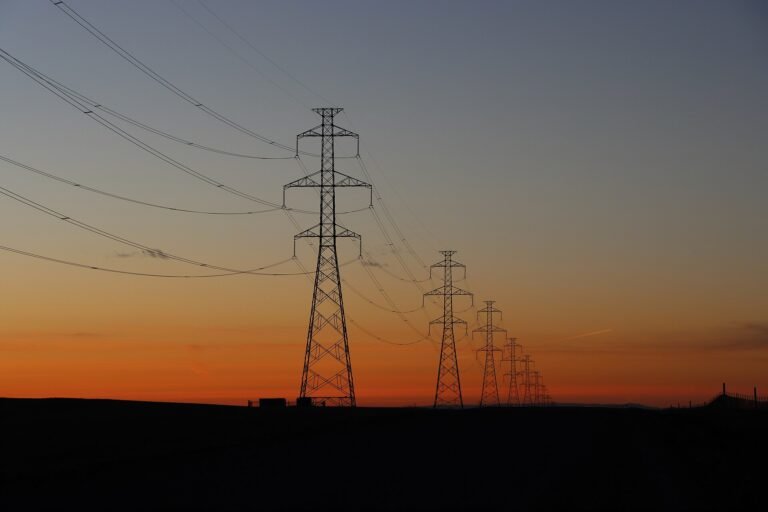
State and federal water managers will also be watching how drought conditions interact with energy demands, as Idaho’s hydroelectric generation is directly tied to river flows across the region. Separately, major economic drivers like Micron’s semiconductor operations in Boise depend on stable infrastructure that healthy water and energy systems help support.
What’s Next
City officials in Blackfoot are expected to continue monitoring snowpack and reservoir data through the spring and into early summer before determining whether restrictions need to be tightened, maintained, or lifted. Residents should anticipate that the measures will remain in place at minimum through peak water demand months.
State water managers and agricultural stakeholders will be tracking conditions closely, with potential implications for irrigation allocations across Bingham County and neighboring areas. If drought conditions persist, broader regional conservation conversations are likely to intensify at the state level.
Residents are encouraged to reduce outdoor water use, particularly lawn irrigation, and to follow guidance issued by Blackfoot city officials as the situation develops.
About the Author