Introduction to the Proposal
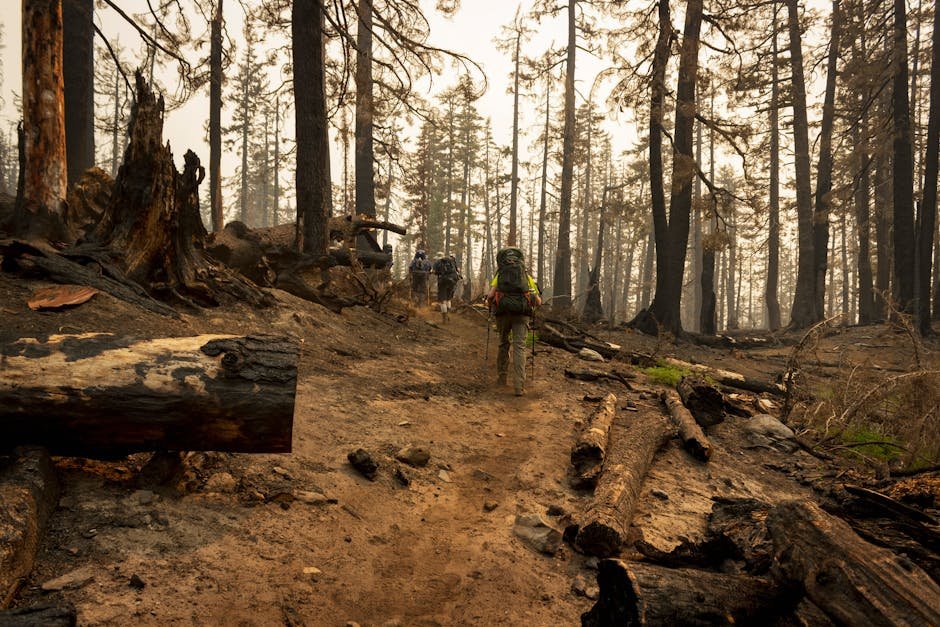
Federal authorities are considering a significant increase in logging activities across millions of acres of forests in western Oregon. This initiative, led by the Bureau of Land Management (BLM), seeks to elevate timber production to levels reminiscent of the 1960s. The proposal affects the O&C lands, which span 2.5 million acres across 17 counties in Oregon.
Background of the O&C Lands
The O&C lands, originally owned by the Oregon and California Railroad, have been under federal management for decades. Approximately 75% of these lands are currently shielded from regular logging activities. The BLM’s recent notice of intent suggests a shift towards more intensive logging, potentially increasing harvest levels to more than ten times the current average.
Impact on Local Economies and Wildlife
Proponents of the proposal argue that increasing timber production is crucial for local economic revitalization and wildfire risk reduction. Bill Groffy, acting director of the BLM, emphasized the importance of domestic timber production for national security and economic growth.
However, conservationists express concerns about the environmental impact, particularly on vulnerable species like the northern spotted owl and the marbled murrelet. These species rely on old-growth forests for habitat, and past logging practices have brought them close to extinction.
Public Reaction and Environmental Concerns
Environmental advocates, such as Chandra LeGue from Oregon Wild, have voiced strong opposition to the proposal. They fear a return to the era of extensive clear-cutting, which could lead to negative consequences for biodiversity and water quality.
The public is encouraged to participate in the discussion through a month-long comment period, ending on March 23. Despite the significance of the proposal, the BLM has not planned any public meetings prior to releasing the full proposal.
Policy and Administration Context
This initiative aligns with broader administrative priorities to enhance domestic resource production. A March executive order by President Donald Trump underscores the administration’s commitment to expanding American timber production, citing economic and environmental benefits.
The proposal also involves potential use of the Endangered Species Act Committee, known as the “God Squad,” to address conflicts between timber production and species protection.
Conclusion
The debate over logging in western Oregon highlights the ongoing tension between economic development and environmental conservation. As the public comment period progresses, stakeholders from various sectors will likely continue to engage in discussions about the future of these federal lands.
Related Coverage
- Idaho News – https://idahonews.co/idaho-news-3/
- National News – https://idahonews.co/national-news/
- Global News – https://idahonews.co/global-news/
- Economy & Market – https://idahonews.co/economy-market/
- Opinion – https://idahonews.co/opinion-2/
- Subscribe & Support Idaho News – https://idahonews.co/subscribe-and-support-idaho-news/
About the Author