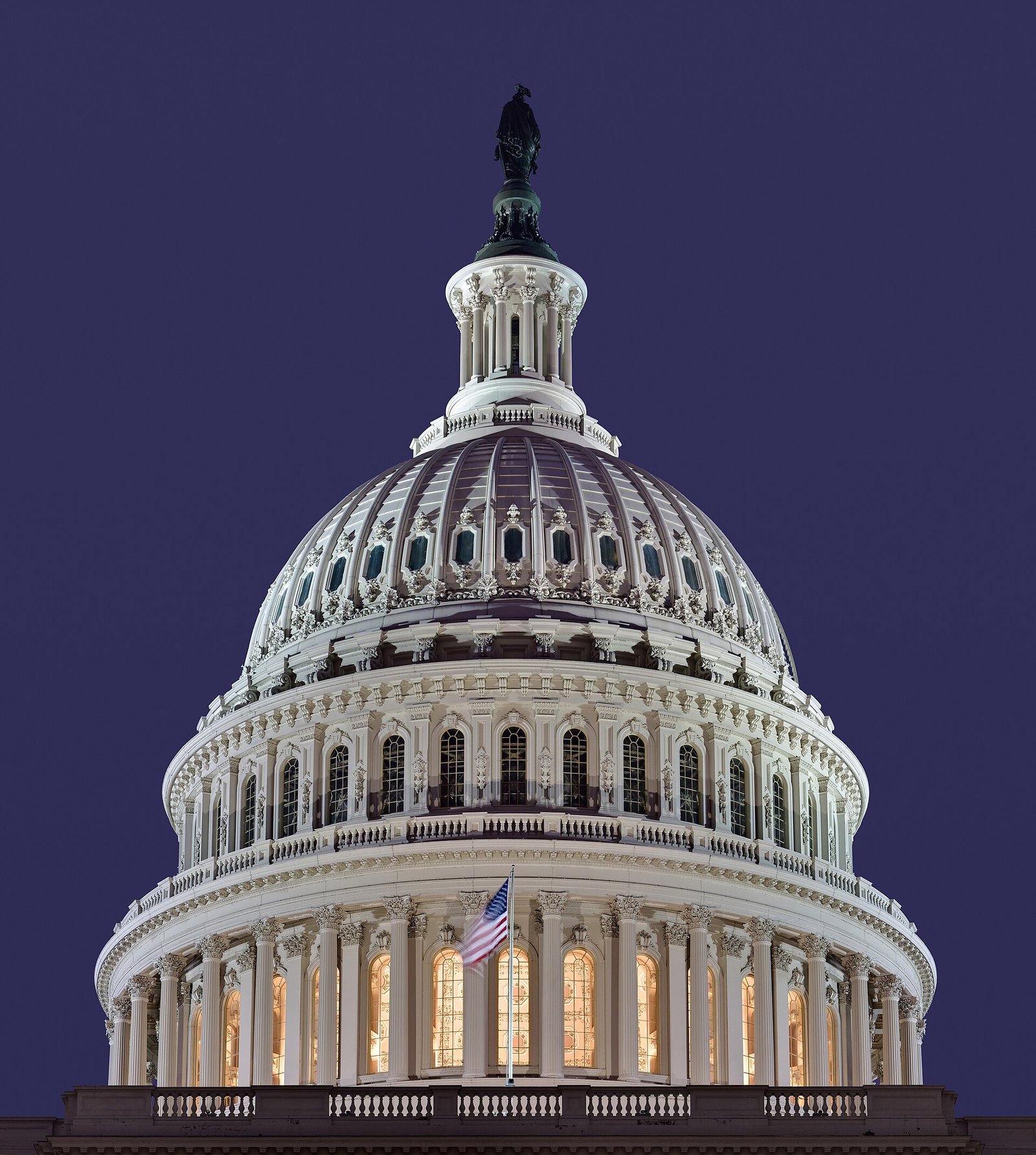
Diliff / Wikimedia Commons
Republican Congressional Candidates Aaron Flint and Al Olszewski Debate in Bozeman Ahead of Montana Primary
Why It Matters
Montana’s Western District U.S. House race is shaping up as a competitive Republican primary, with the outcome likely to influence who represents a large swath of Big Sky Country in Congress. The debate offered voters one of their clearest looks yet at two of the leading candidates before primary day.
With key issues like natural resource jobs, housing affordability, and military policy on the table, the race carries significant weight for Montana communities whose livelihoods depend on federal land and resource policy decisions made in Washington.
What Happened
Republican congressional candidates Aaron Flint and Al Olszewski met Tuesday evening in Bozeman for the only scheduled debate in the Western District GOP primary. The event, sponsored by the Montana Republican Party, ran approximately 90 minutes at Calvary Chapel before an audience of roughly 120 attendees.
State Senate President Matt Regier served as moderator. A third candidate in the race, Montana Secretary of State Christi Jacobsen, was unable to attend, according to state Republican Party Chair Art Wittich.
The debate covered a range of topics including natural resource employment, affordable housing, and recent U.S. military strikes on Iran. Each question drew 12 minutes of combined response time from the two candidates.
By the Numbers
- 90 minutes — Length of the debate at Calvary Chapel in Bozeman
- ~120 people — Audience in attendance for the event
- 18 counties — The total number of counties that make up Montana’s Western House District
- 8 times — How many times Flint referenced his endorsement from President Donald Trump during the debate
- 2022 — The year Montana’s Western House District first appeared on the ballot, having delivered comfortable Republican wins since
Where the Candidates Stand
Flint, a conservative media personality, leaned heavily on his endorsement from President Trump throughout the evening — invoking the president’s name at least eight times. He also repeatedly targeted what he called “far-left socialists” on the state’s districting commission, arguing the 2026 election cycle was a deliberate Democratic effort to reshape the Western District. Notably, both Democratic members of the commission that drew the district in 2021 voted against its current configuration.
Olszewski, a former state senator and physician known in political circles as “Dr. Al,” took a more measured tone, mentioning Trump by name only a couple of times. His approach signaled a contrast in campaign style, even as both candidates broadly share conservative policy positions.
On areas of agreement, Flint and Olszewski both called for a ban on stock trading by sitting members of Congress and pushed for federal budgets to be passed through regular order and on time — a reform that fiscal conservatives across the country have demanded for years.
The debate took place in Bozeman, which anchors Gallatin County — the second-highest source of Republican votes in the 18-county district, trailing only Flathead County.
Zoom Out
The Montana Western District race is part of a broader national pattern in which Republican primaries hinge substantially on proximity to President Trump. Similar dynamics are playing out in Idaho, where the state’s attorney general has endorsed a challenger in a competitive Republican Senate primary, reflecting continued grassroots energy within the GOP base.
Nationally, Republican congressional candidates have faced pressure to align closely with Trump’s agenda on issues ranging from border security to federal spending. Senate Republicans recently unveiled a sweeping $70 billion immigration package designed to advance key priorities without Democratic support — a measure that will likely feature in campaign messaging across Mountain West races this cycle.
In Montana specifically, control of the Western District seat carries outsized importance given the state’s vast federal land holdings and the role Congress plays in shaping natural resource and energy policy across the Mountain West.
What’s Next
With the primary debate now behind them, Flint and Olszewski will continue campaigning across the 18-county district ahead of the Republican primary. Secretary of State Christi Jacobsen, who was absent Tuesday, remains in the race and could factor significantly into the outcome as voters make their final decisions.
The winner of the Republican primary will be heavily favored in the general election given the district’s consistent Republican performance since its creation in 2022.
About the Author