Why It Matters
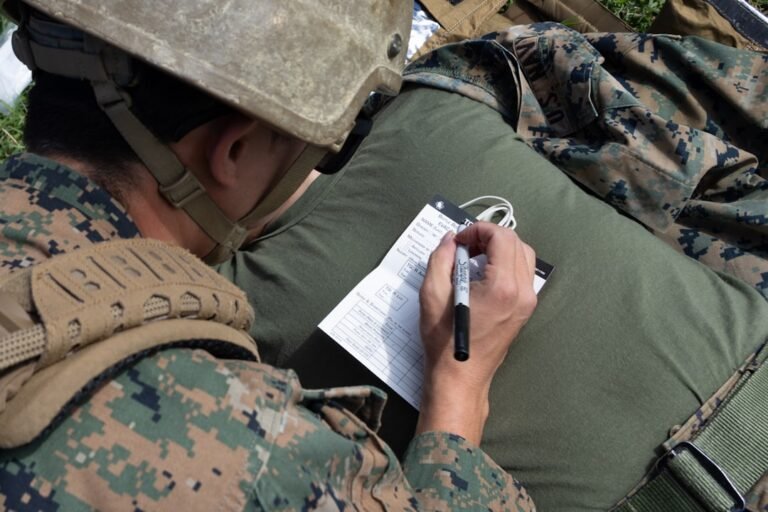
Hundreds of Idaho airmen are now serving in one of the most significant American military operations in decades. The deployment of the 124th Fighter Wing of the Idaho Air National Guard to the Middle East places Idaho servicemembers at the center of Operation Epic Fury, the U.S.-led campaign targeting Iran’s security apparatus.
For Idaho families with loved ones in the Guard, the deployment marks a direct and personal connection to a military campaign that has drawn widespread national attention. U.S. officials have since declared a military victory over Iran and the Pentagon has begun briefing on ceasefire deal terms, but active operations continue in the region.
What Happened
The 124th Fighter Wing of the Idaho Air National Guard has deployed to the Middle East in support of Operation Epic Fury, according to Lt. Col. Chris Borders, a spokesperson for the Idaho National Guard. Borders confirmed in an email to the Idaho Statesman that airmen were deployed in late March and early April to the U.S. Central Command area of responsibility.
Operation Epic Fury was launched by President Donald Trump on February 28, with U.S. Central Command forces directed to strike targets aimed at dismantling the Iranian regime’s security apparatus, with priority given to locations assessed as posing an imminent threat, according to the Central Command website.
Borders declined to answer further questions about the Idaho deployment, citing restrictions on what information he was authorized to disclose.
Tracking the Deployment
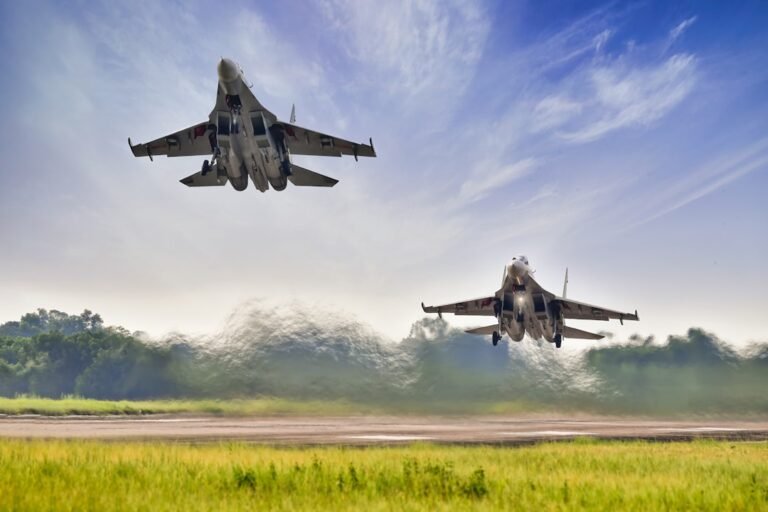
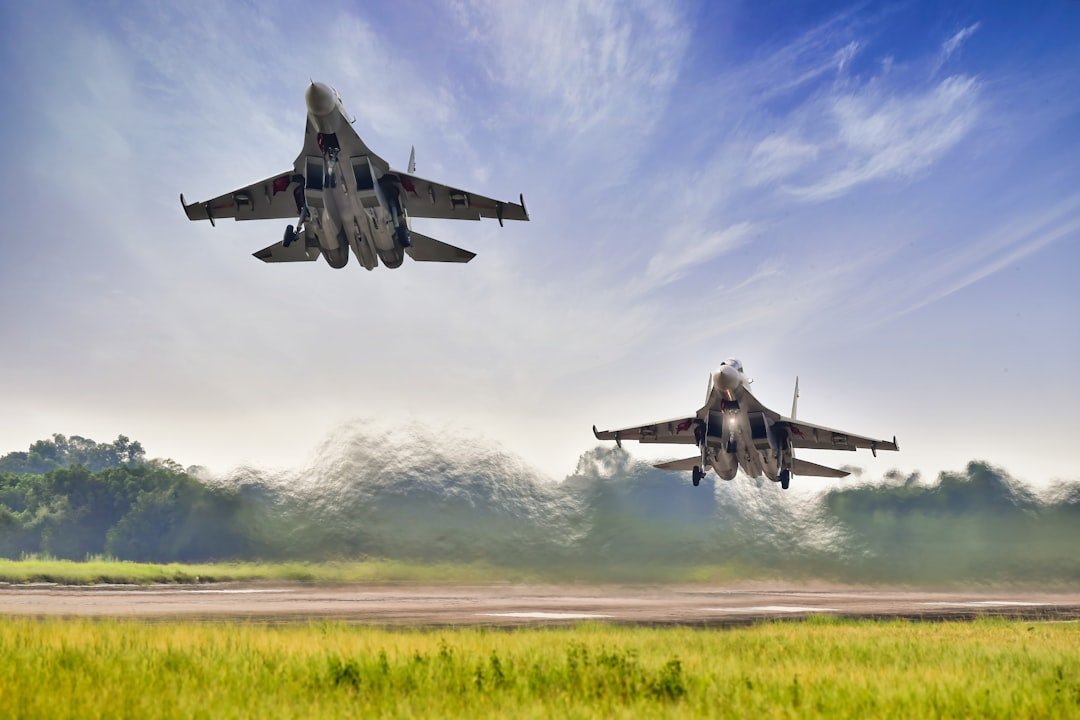
Flight tracking data reported by Air and Space Forces Magazine showed six A-10 Thunderbolt II attack aircraft departing from Gowen Field Air National Guard Base in Boise. The aircraft flew to Pease Air National Guard Base in New Hampshire on March 27, then continued to RAF Lakenheath in England on March 31, indicating a phased transatlantic transit to the operational theater.
The A-10 Thunderbolt II is a ground-attack aircraft known for its durability and close air support capabilities, making it a key asset in operations targeting hardened or fortified positions.
By the Numbers
- 6 A-10 Thunderbolt II aircraft departed Gowen Field Air National Guard Base in Boise
- 300+ Idaho airmen from the 124th Fighter Wing previously deployed to the same region in March 2025 for a three-month rotation
- 4 million square miles covered by the U.S. Central Command area of responsibility
- 21 countries fall within CENTCOM’s area, spanning northeast Africa, the Middle East, and parts of central and south Asia
- February 28 — the date President Trump launched Operation Epic Fury
Zoom Out
The Idaho deployment is part of a broader U.S. military posture that has escalated significantly in the Middle East. Operation Epic Fury represents one of the largest direct American military engagements against Iran in history, involving assets from multiple branches and National Guard units across the country.
The 124th Fighter Wing’s prior deployment to the region in 2025 suggests the unit has developed operational familiarity with the CENTCOM theater. As the U.S. military expands its reliance on National Guard assets for overseas operations, Idaho’s Guard continues to carry a substantial share of that burden.
Cybersecurity threats linked to Iran have also increased in parallel with the military campaign. The FBI has warned that Iranian-linked hackers are actively targeting U.S. water and energy infrastructure, underscoring the multi-front nature of the conflict.
What’s Next
The duration of the current deployment has not been publicly disclosed by Idaho National Guard officials. Given that the previous 2025 deployment lasted approximately three months, a similar timeline may be expected, though operational demands could extend or alter that schedule.
Pentagon briefings on a potential ceasefire are ongoing, but military operations under Operation Epic Fury remain active. Idaho families and lawmakers are expected to seek further updates on the welfare and timeline of deployed airmen as the situation develops.
About the Author