Conservative Leaders Call for Spending Restraint Ahead of 2026 Legislative Session
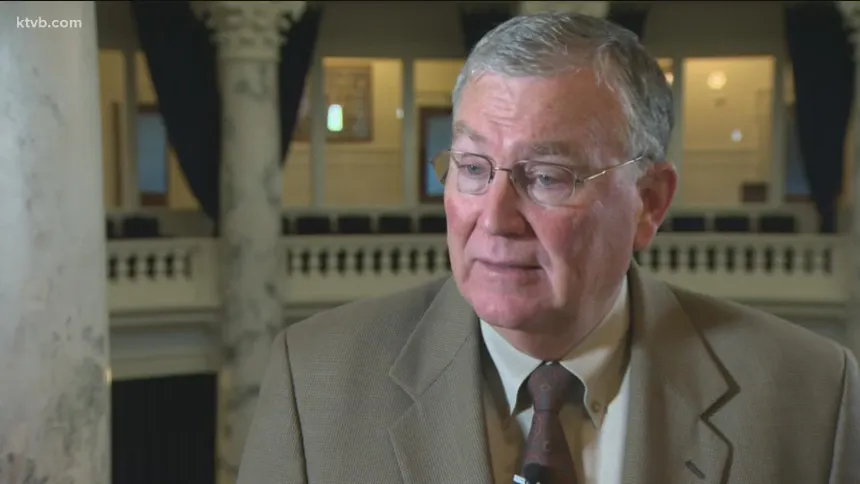
BOISE, Idaho – Idaho Lt. Gov. Scott Bedke issued a sharp warning to lawmakers Wednesday, declaring the state’s budget is “upside down” following massive tax cuts passed during the 2025 legislative session. Speaking at the Associated Taxpayers of Idaho conference, Bedke said legislators approved projects and tax policies without first setting realistic revenue targets.
“We acted more like Washington, D.C., than we did Idaho,” Bedke told attendees, criticizing the Legislature’s delay in agreeing on a revenue forecast while already committing to billions in spending.
Idaho is projected to end the current fiscal year with a $58 million deficit, with a potential gap of over $500 million by FY2027, according to state analysts.
Bedke Blames Tax Cut Timing and Overspending
The root of the issue, according to Bedke, is a failure to adhere to Idaho’s traditionally conservative budgeting process. He pointed to the passage of over $400 million in tax cuts without a corresponding plan to reduce spending, warning that the state’s financial posture now mirrors the deficit culture of Washington.
“We’ve got some tough sledding ahead,” Bedke said. “Idaho cannot afford to abandon the very things that made us successful.”
Mixed Views Within GOP Leadership
While Bedke struck a cautionary tone, Rep. Wendy Horman (R-Idaho Falls), co-chair of the powerful Joint Finance-Appropriations Committee (JFAC), pushed back against what she called “doom-and-gloom messaging.”
She acknowledged revenue volatility—especially in corporate income tax filings—but emphasized that the situation remains manageable.
“These aren’t deficits caused by recession or collapse,” Horman said. “We’re talking about variances that, in context of a $14 billion budget, amount to rounding errors.”
She said state agencies have submitted requests that exceed forecasted revenues by $555 million, and trimming those requests will be the Legislature’s primary task in the coming session.
Budget Must Be Balanced by Law
Idaho’s constitution prohibits deficit spending, so balancing the budget is not optional. Some lawmakers and officials, including members of Gov. Brad Little’s team, have floated the idea of using part of the state’s $1.4 billion rainy-day reserve to help close the gap.
Bedke called tapping the reserve “prudent,” while Gov. Little’s spokesperson confirmed that using the funds remains an option under consideration.
Governor Emphasizes Economic Strength But Signals Cuts
In his keynote speech, Gov. Brad Little celebrated Idaho’s strong economic metrics—including leading the nation in personal income growth and maintaining low unemployment.
Yet even as he touted the state’s success in attracting businesses and entrepreneurs, Little said the time of budget surpluses is over.
“In fiscal year 2027, we will have to do more with less,” Little said. “In Idaho, we right-size government to match the people’s means.”
He cautioned that while the state isn’t in a recession, the financial cushion from federal pandemic aid and surging revenues has now passed.
“It’s not raining,” Little said of the reserves. “Maybe a cloud or two.”
What Comes Next
The 2026 legislative session is expected to focus heavily on identifying reductions, managing conformity with federal tax changes, and revisiting agency budgets. Republican leadership has signaled that 3% spending cuts for most state agencies—excluding public education—are likely, with deeper reductions possible depending on fiscal outlooks.
Despite differences in tone, Idaho’s leaders appear united on one point: it’s time for a return to conservative fiscal discipline.
Related Coverage
- Idaho News – https://idahonews.co/idaho-news-3/
About the Author