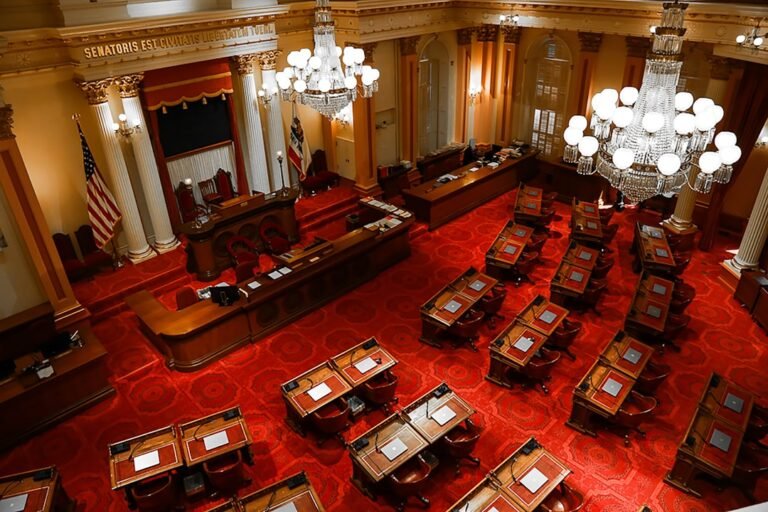
Idaho Gov. Brad Little Vetoes Bill That Would Have Cut Graduate Medical Education Funding
Why It Matters
Idaho already ranks last in the nation for medical professionals per capita, and state officials say the state would need to add approximately 1,400 medical professionals today just to reach the national average. A cut to graduate medical education funding threatened to make that shortage significantly worse — and Gov. Brad Little moved to stop it.
The veto preserves funding that currently supports eight active medical residents in the middle of committed three-year residency programs. Stripping that funding mid-residency, Little warned, would have damaged Idaho’s credibility with physicians in training and with the residency programs the state has spent years developing. For a state already struggling to attract and retain healthcare workers, that kind of disruption carries long-term consequences for Idaho communities and patients. Idaho lawmakers had previously approved use of a $930 million federal rural health care grant as part of broader efforts to shore up the state’s healthcare workforce.
What Happened
On Friday, April 10, Gov. Brad Little issued a line-item veto of House Bill 978, blocking a reduction in funding for the Idaho Department of Health and Welfare’s health care policy initiatives program. State officials confirmed that program provides funding for graduate medical education and advanced directives.
The veto marked the sixth line-item veto Little issued in a single week — the most he has issued in any single year during his eight years as governor. Because the Idaho Legislature formally adjourned the 2026 session on April 2, lawmakers currently have no power to override the vetoes. Legislators would need to call themselves back into a special session to attempt any override.
The budget cut in question was made by the Legislature’s Joint Finance-Appropriations Committee on March 31, one of the final days of the session. Legislators from both parties raised concerns about the cuts at the time, but the committee proceeded to vote after being told — incorrectly, as it turned out — that graduate medical education funding would not be affected.
By the Numbers
- 6 — Line-item vetoes issued by Gov. Little this week, the most in any single year of his governorship
- 8 — Medical residents currently supported by the funding Little’s veto protected
- 1,400 — Additional medical professionals Idaho would need today just to match the national per capita average
- Last in the nation — Idaho’s ranking for medical professionals per capita
- April 2 — The date the Idaho Legislature adjourned the 2026 session, eliminating the ability to override vetoes without a special session
Zoom Out
Idaho’s physician shortage is not a new problem, but it is a deepening one. The 2026 legislative session was broadly characterized by budget cuts across nearly all state agencies and departments, and the health care policy initiatives program was caught in that wave. The difference, Little argued, is that healthcare workforce development is not a discretionary line item Idaho can afford to trim.
Graduate medical education programs, medical residencies, and undergraduate medical training pipelines have been key pillars of the state’s strategy to keep physicians in Idaho long-term. Physicians who complete residencies in a state are statistically more likely to remain and practice there. With health officials already tracking potential disease exposure events in public settings, the pressure on Idaho’s healthcare infrastructure is real and ongoing.
The situation also reflects a broader tension in state government: how to balance budget discipline during lean fiscal years while protecting programs with demonstrated long-term returns. Little’s veto letter made clear he views graduate medical education as falling firmly in that protected category.
What’s Next
House Speaker Mike Moyle, R-Star, publicly expressed frustration with Little’s string of vetoes this week, saying he had relied on what he described as a “gentleman’s agreement” with the governor’s office that no surprises would follow adjournment. Moyle stated Thursday that going forward, as long as he remains speaker, the Legislature will not adjourn at session’s end without waiting the full five days to ensure no late-session vetoes emerge from the governor.
Legislators retain the option to call themselves back into a special session if they wish to attempt an override of any of Little’s vetoes, though no such action has been announced. The fate of graduate medical education funding appears secure for now, but the political fallout between the governor’s office and legislative leadership is likely to shape how the 2027 session concludes.
About the Author