Why It Matters
A Supreme Court ruling on birthright citizenship could have wide-reaching consequences for families across Idaho and the nation, potentially altering how citizenship is granted to children born on U.S. soil for the first time in more than 125 years. Idaho, like many Western states, has a significant immigrant population, and any redefinition of citizenship would affect children born here to parents without legal status or those holding temporary visas.
Legal experts warn that a ruling in favor of the administration could create a new class of stateless individuals — people born in the United States who hold citizenship in no country — with long-term implications for social services, documentation, and legal identity.
What Happened
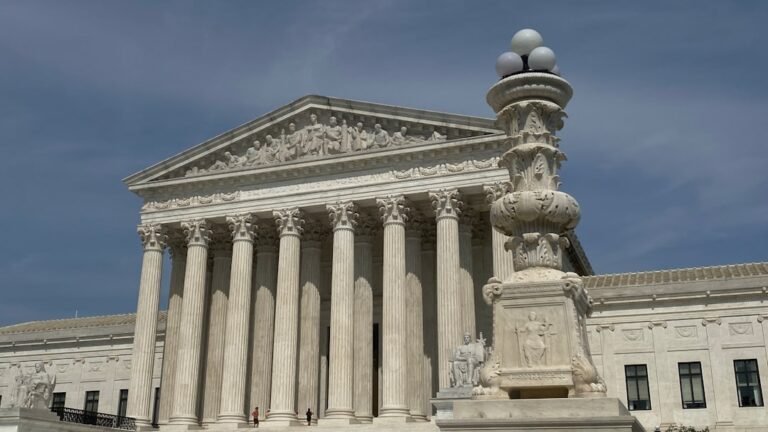
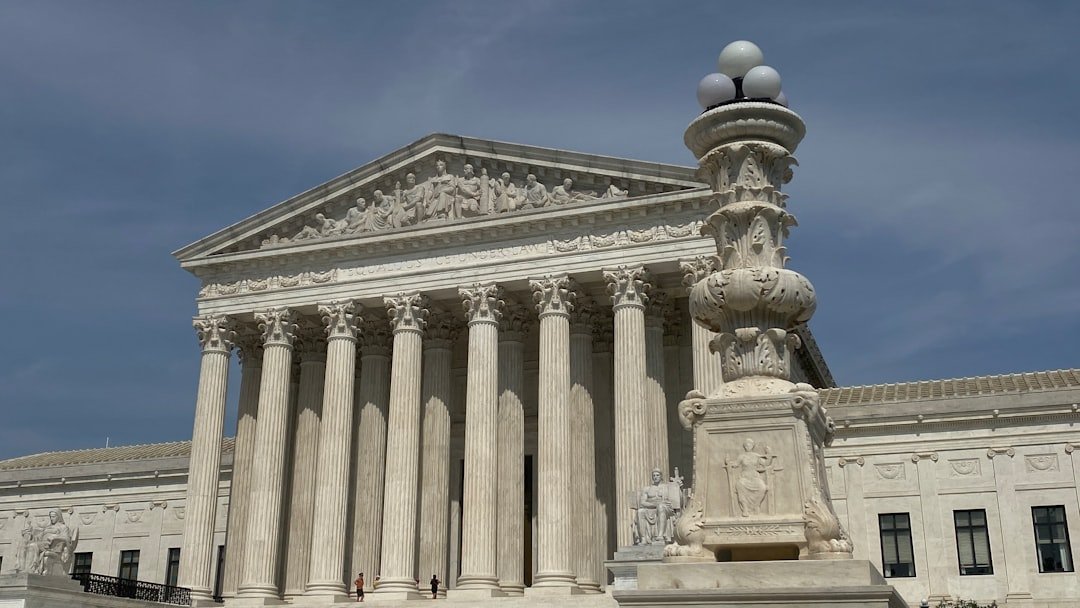
The U.S. Supreme Court heard oral arguments on April 1, 2026, in Trump v. Barbara, a case directly challenging President Donald Trump’s executive order that would redefine birthright citizenship. The order would exclude children born in the United States to parents who are in the country without legal status or who hold only temporary legal visas.
The Trump administration petitioned the high court in December 2025 after multiple lower federal courts struck down the executive order, ruling it was unconstitutional. Those lower court rulings blocked the order from taking effect while legal challenges proceeded.
The case centers on the 14th Amendment’s Citizenship Clause, which reads: “All persons born or naturalized in the United States, and subject to the jurisdiction thereof, are citizens of the United States and of the State wherein they reside.” The administration argues the clause was originally intended to apply to formerly enslaved African Americans following the Civil War, not to children of immigrants or those present in the country illegally.
The Supreme Court is expected to issue its decision before the end of the court’s current term, which concludes in late June or early July 2026.
By the Numbers
- 1898: Year the Supreme Court last issued a landmark ruling extending birthright citizenship to virtually all persons born on U.S. soil, the legal standard that has governed citizenship for over a century.
- Millions: Estimated number of individuals who could be affected or rendered stateless if the executive order is upheld, according to legal and immigration policy experts.
- Multiple: Number of federal district courts that blocked the executive order before the case reached the Supreme Court, all finding it violated the Constitution.
- 1 exception: Children born to foreign diplomats are the existing carveout from birthright citizenship under current law.
- Late June/Early July 2026: Expected window for the Supreme Court’s final ruling.
Zoom Out
The case marks the latest escalation in a broader national debate over immigration enforcement and the legal boundaries of executive authority. The Trump administration has framed the executive order as a necessary step to reduce what it describes as incentives for illegal immigration, arguing that the promise of automatic citizenship for U.S.-born children encourages unauthorized border crossings.
Supporters of the order contend the 14th Amendment has been interpreted too broadly and that the original intent of the Citizenship Clause was narrower in scope. Most constitutional scholars and historians dispute that reading, maintaining that the text and historical context of the amendment support universal birthright citizenship.
Across the Mountain West and Pacific Northwest, states including Idaho, Oregon, Washington, and Montana have growing immigrant communities where the ruling’s practical effects would be felt. A decision narrowing birthright citizenship would likely trigger years of additional litigation over implementation, documentation requirements, and the status of children already born under current law.
This is not the first time the current administration has brought birthright citizenship before the nation’s highest court. A prior procedural challenge last year addressed whether lower courts could issue nationwide injunctions blocking the order, but Wednesday’s arguments marked the first time the Court addressed the core constitutional question directly.
What’s Next
Following oral arguments, the nine justices will deliberate and draft their opinions. A ruling is anticipated before the Supreme Court recesses for the summer in late June or early July 2026. Depending on the outcome, the decision could immediately reshape federal immigration and citizenship policy or send the matter back to lower courts for further proceedings. Congress could also face pressure to act legislatively, regardless of which way the Court rules.
About the Author