Why It Matters
A landmark U.S. Supreme Court ruling issued Tuesday could reshape how states regulate speech-based practices by licensed mental health professionals, with implications stretching well beyond Colorado. Idaho and more than two dozen other states with similar laws on the books — or that have considered them — may now face renewed legal scrutiny over whether such bans pass constitutional muster under the First Amendment.
The decision signals that courts must take a harder look at laws that restrict what counselors can say to clients, a standard that could invite legal challenges across the Mountain West and nationwide.
What Happened
The U.S. Supreme Court ruled 8-1 on Tuesday that Colorado’s 2019 law banning so-called “conversion therapy” for LGBTQ+ minors by licensed mental health professionals likely regulates speech based on viewpoint — a constitutionally significant distinction that triggers a higher level of judicial review.
The majority opinion, authored by Justice Neil Gorsuch, does not strike down the Colorado law outright. Instead, it sends the case back to a lower court with instructions to apply “strict scrutiny,” the most demanding standard of constitutional review, to determine whether the law can survive a First Amendment challenge.
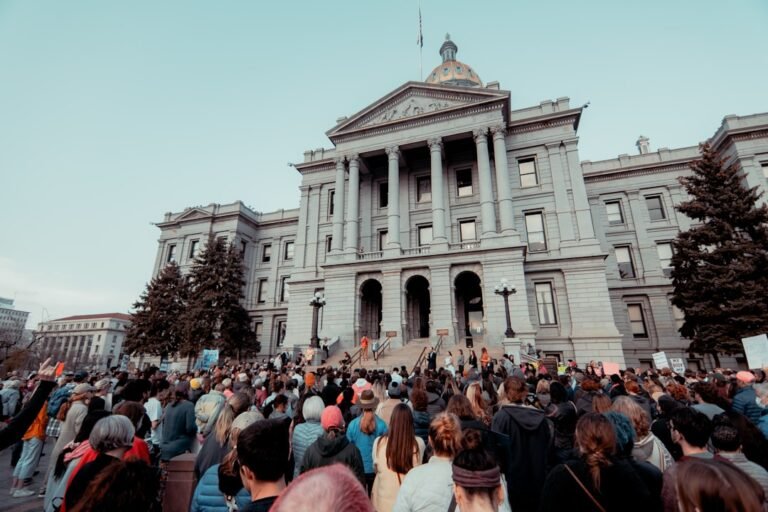
The case originated when licensed counselor Kaley Chiles sued Colorado’s Department of Regulatory Agencies in 2022, arguing the 2019 law — House Bill 19-1129 — violated her free speech rights by barring her from discussing certain topics with minor clients based on the viewpoint expressed in the conversation.
Colorado Governor Jared Polis, who signed the original legislation into law, said Tuesday that his office is “evaluating the U.S. Supreme Court ruling and working to figure out how to better protect LGBTQ youth and free speech in Colorado.”
What the Court Said
Writing for the majority, Justice Gorsuch framed the issue as a fundamental free speech concern. “The First Amendment stands as a bulwark against any effort to prescribe an orthodoxy of views, reflecting a belief that each American enjoys an inalienable right to speak his mind and a faith in the free marketplace of ideas as the best means for finding truth,” Gorsuch wrote.
The majority held that laws suppressing speech based on viewpoint represent a serious constitutional problem, writing that such measures constitute “an egregious assault on both commitments” — free expression and the marketplace of ideas.
The lone dissent was not immediately detailed in available reporting, but the 8-1 margin underscores the breadth of agreement on the First Amendment question among justices across the ideological spectrum.
By the Numbers
- 8-1: The Supreme Court vote in favor of sending the case back to a lower court
- 2019: The year Colorado enacted House Bill 19-1129 banning conversion therapy by licensed professionals
- 2022: The year counselor Kaley Chiles filed her lawsuit against the Colorado Department of Regulatory Agencies
- 22+ states plus the District of Columbia have enacted similar bans on conversion therapy for minors, according to The Trevor Project and the Movement Advancement Project
- 1 justice dissented from Tuesday’s majority opinion
Zoom Out
The ruling carries broad implications for states that have enacted comparable legislation. According to reporting from the Washington State Standard, at least 22 states — including Washington and Oregon in the Pacific Northwest — have laws protecting minors from conversion therapy by licensed practitioners. All of those statutes could now face heightened legal vulnerability under the strict scrutiny standard the Supreme Court has directed lower courts to apply.
The decision reflects a growing body of First Amendment jurisprudence that treats professional speech — including the words exchanged between a licensed counselor and a client — as deserving significant constitutional protection rather than being freely subject to state regulation.
For conservative and religious liberty advocates, the ruling represents a significant affirmation that government cannot dictate ideological outcomes in licensed counseling sessions. Critics of the decision argue it could expose vulnerable minors to discredited therapeutic practices.
What’s Next
The case returns to a lower federal court, which must now evaluate whether Colorado’s conversion therapy ban can survive strict scrutiny — a standard that requires the government to demonstrate the law is narrowly tailored to serve a compelling state interest. That review could take months and is widely expected to face further appeals regardless of outcome.
Governor Polis indicated his administration is actively considering a legislative or regulatory response. Other states with similar laws are likely monitoring the case closely and may face their own legal challenges in the months ahead.
About the Author