National Archives Publishes King Assassination Files
The U.S. National Archives has released over 6,000 documents — nearly 250,000 pages — related to the 1968 assassination of the Rev. Dr. Martin Luther King Jr., following a pledge by President Trump to increase transparency surrounding historical investigations.
The newly posted documents include interviews, investigative notes, and material about the hunt for King’s killer, James Earl Ray. According to historians, the release primarily compiles information already known, offering few new details about the assassination itself.
FBI Surveillance and Allegations
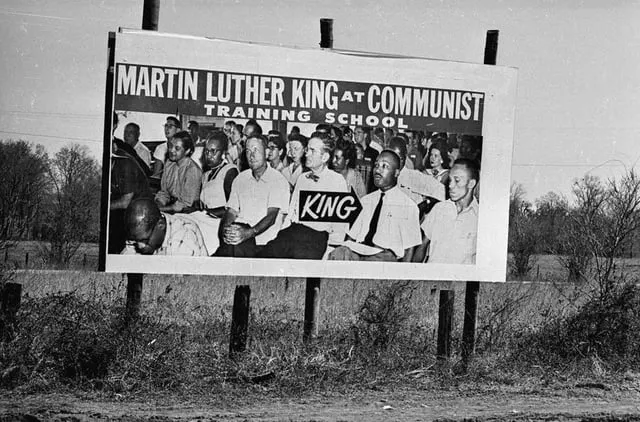
Among the files are materials reflecting the FBI’s extensive surveillance of King under J. Edgar Hoover’s direction. The FBI aimed to collect damaging information to discredit King and his movement.
Previously released documents, summarized in this release, describe King’s extramarital relationships and controversial claims about his conduct during his life. Scholars caution, however, that these allegations originated from an FBI campaign that often used uncorroborated or manipulated information.
Historian David Garrow, who reviewed earlier FBI records, highlighted claims that King witnessed or failed to intervene during an alleged assault in 1964, though these claims remain disputed and unverified. Experts urge readers to approach such material critically, given the FBI’s motive to undermine King.
Family and Historians Urge Caution
King’s children responded to the release by noting the invasive and coercive nature of the government’s surveillance on their father. In a statement, Martin Luther King III and Bernice King called the campaign a “predatory and deeply disturbing disinformation and surveillance effort” and asked the public to view the files in light of King’s contributions to society rather than solely through unproven allegations.
Larry Sabato, director of the University of Virginia’s Center for Politics, noted that much of the FBI material should not be taken at face value, describing some content as possibly fabricated to meet Hoover’s demands.
What the Files Contain
The documents include:
- Investigative notes on James Earl Ray and his movements.
- Tips and interviews with witnesses and acquaintances.
- Public tips and leads pursued by law enforcement.
- News clippings, correspondence, and other archival materials.
- An audio file featuring an interview with Ray’s brother.
Some pages have deteriorated over time, and much of the content was previously available in physical form but never digitized.
Transparency and Remaining Sealed Records
This release is part of a broader effort to declassify records about high-profile assassinations, including those of John F. Kennedy and Robert F. Kennedy. However, some sensitive material — particularly FBI wiretap recordings and transcripts of King and his associates — remains under court seal until at least 2027, after a federal judge declined to unseal them early.
Alveda King, Martin Luther King Jr.’s niece, praised the document release as “a historic step toward the truth,” while acknowledging the family’s concerns about privacy and disinformation.
Context and Legacy
King, who was killed in Memphis in April 1968, left a lasting legacy as a civil rights leader advocating for racial equality and nonviolent protest. While his personal life, including well-documented extramarital affairs, has been scrutinized, many historians argue that the FBI’s surveillance campaign distorted or exaggerated aspects of his behavior to discredit him.
The released files provide a window into the complex history of the civil rights movement, the U.S. government’s surveillance tactics, and King’s multifaceted legacy.
About the Author