Trump Issues First Vetoes of Second Term, Blocking Colorado Water and Tribal Land Measures
President Exercises Early Veto Authority in Second Term
President Donald Trump has issued the first vetoes of his second term, rejecting two bipartisan bills that had passed Congress unanimously.
The measures included a Colorado water infrastructure project and legislation involving land and water management tied to a Native American tribe in Florida.
Colorado Water Project Halted Over Cost Concerns
One of the vetoed bills, the Finish the Arkansas Valley Conduit Act, would have provided federal funding for a long-delayed water infrastructure project aimed at delivering clean drinking water to rural areas of southeastern Colorado.
In his veto message to Congress, Trump cited concerns about rising costs and taxpayer exposure. He stated that his administration is focused on limiting federal spending and avoiding what he described as inefficient or unreliable policy outcomes.
Bipartisan Tribal Bill Also Rejected
Trump also vetoed the Miccosukee Reserved Area Amendment Act, which addressed water flow into parts of Everglades National Park and proposed changes to the governing structure of the Miccosukee Tribe.
The president said the tribe had opposed federal immigration enforcement policies and argued that federal funding should not be directed toward groups that, in his view, conflict with administration priorities related to border security and immigration enforcement.
The Miccosukee Tribe had previously opposed construction of a migrant detention facility in the Everglades region.
Lawmakers React to the Vetoes
Republican Representative Lauren Boebert, a co-sponsor of the Colorado water bill, said publicly that the issue is not resolved and signaled support for continued legislative action.
Democratic lawmakers from Colorado also criticized the decision, arguing that the veto would delay access to clean water for rural communities. Some lawmakers accused the administration of allowing political disputes to influence infrastructure decisions.
Congress Could Attempt Override
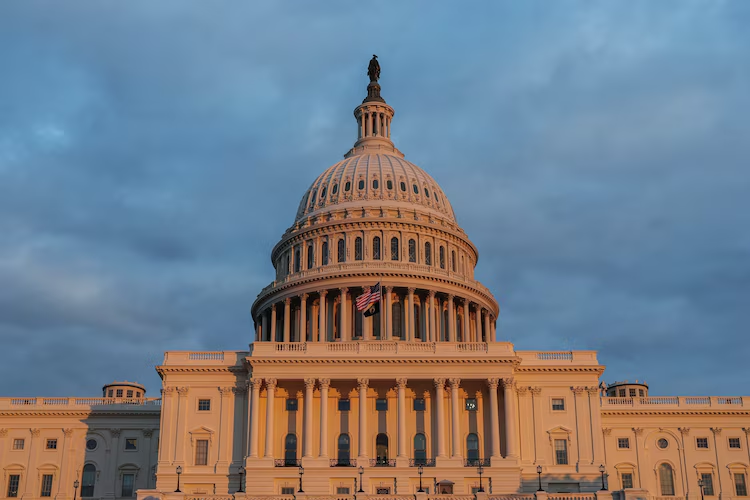
Because both bills passed the House and Senate without opposition, Congress retains the option to attempt a veto override. That process would require a two-thirds majority vote in both chambers.
During Trump’s first term, Congress overrode only one of his ten vetoes, the National Defense Authorization Act for fiscal year 2021.
Broader Tensions With Colorado Leadership
The vetoes come amid broader disputes between the Trump administration and Colorado state leadership.
Earlier in December, Trump publicly criticized Colorado Governor Jared Polis after state officials declined to release former county clerk Tina Peters following a presidential pardon. Legal experts noted that presidential pardons do not apply to state convictions.
Trump has repeatedly argued that Peters was prosecuted unfairly in connection with election-related investigations.
Related Coverage
- Idaho News – https://idahonews.co/idaho-news-3/
- National News – https://idahonews.co/national-news/
About the Author