A long-running legal battle over one of Wyoming’s most beloved public attractions may be nearing resolution after the Wyoming Legislature earmarked $3 million in its recently passed budget to address a concessionaire dispute at Hot Springs State Park — the most visited state park in Wyoming’s system.
Why It Matters
Hot Springs State Park near Thermopolis draws roughly 1 million visitors annually, more than any other park in Wyoming. For more than a year, the Star Plunge aquatic facility — a longtime centerpiece of the park — has sat closed, leaving families and tourists without access to one of the region’s most unique natural attractions.
In a state with no permanent amusement parks, the hot springs pools have long served as a family destination, making the prolonged closure a genuine loss for Wyoming residents and the local economy alike.
What Happened
The dispute traces back to 2024, when Wyoming State Parks selected a new operator — Wyoming Hot Springs LLC — to take over the Star Plunge concession through a formal request-for-proposal process. The Luehne family had operated Star Plunge since 1975, when Wolfgang and Christine Luehne purchased it and took over a 50-year concessionaire lease. Their son, Roland, bought the business from them in 2012.
The state’s selection of a new operator effectively ended the Luehne family’s tenure at Star Plunge. Roland Luehne challenged the decision in two lawsuits. After his short-term management agreement with the state expired, the facility shuttered in January 2025. The legal matters remain ongoing, with a trial currently scheduled for October.
Wyoming Hot Springs LLC’s primary representative is Mark Begich, a former U.S. senator from Alaska. Begich also purchased the park’s Tepee Pools facility in late 2023. The new operator’s proposal outlined plans for significant upgrades and renovations aligned with a master plan developed in 2016.
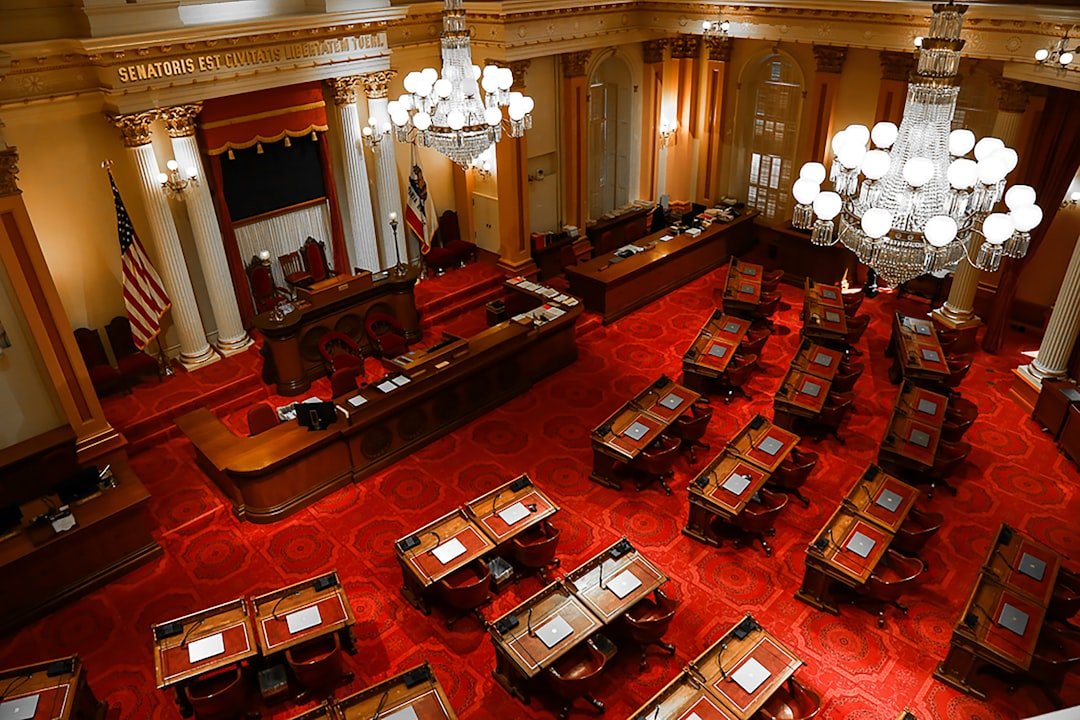
The newly passed state budget includes $3 million for what lawmakers described as “concessionaire remedies” at Hot Springs State Park. Lawmakers also amended the budget language to require a full appraisal of the capital investment and ongoing business value — a step that could lay the groundwork for a pre-trial settlement.
By the Numbers
- $3 million allocated by the Wyoming Legislature for concessionaire remedies at Hot Springs State Park
- 1 million annual visits to Hot Springs State Park — the highest of any park in Wyoming’s system
- 1,100 acres encompassing Hot Springs State Park near Thermopolis
- 50 years the Luehne family operated Star Plunge before the state selected a new concessionaire
- More than 1 year the Star Plunge has been closed to the public
What Both Sides Are Saying
Wyoming State Parks Deputy Director Nick Neylon expressed cautious optimism about the legislative path forward. “We’re hopeful that we can use this legislatively mandated process to move things along and come to some sort of an agreement prior to [the trial],” Neylon said. The state’s priority, he added, is transferring management of the aging hotel and aquatic facilities to a new operator so that long-deferred improvements can proceed.
Roland Luehne, while still maintaining his lawsuits, offered a more conciliatory tone in a follow-up statement. “Whether it is us or another operator, what matters is that the people of Wyoming regain access now while legal matters continue separately,” Luehne wrote. “We are grateful to the Wyoming Legislature for recognizing two key truths: The Star Plunge should be open, and property owners deserve to be paid fairly.”
The dispute also involves the Hot Springs Hotel, another aging facility inside the park that is part of the same concessionaire disagreement.
Zoom Out
The Star Plunge situation reflects a broader challenge facing state governments across the Mountain West: aging public recreation infrastructure and the complicated legal and financial relationships between state agencies and long-term private operators. Southwestern Wyoming and the broader Upper Colorado River Basin are also navigating difficult resource management decisions as water availability and infrastructure investment collide across the region.
The legislative decision to fund a resolution rather than wait for a lengthy court process reflects a pragmatic approach to governance — using appropriated funds to protect public access rather than leaving the matter entirely to the courts.
Meanwhile, the Wyoming Legislature has faced its own scrutiny in recent months. Lawmakers voted earlier this year to expand ethics training following a campaign finance controversy, signaling increased attention to the conduct and accountability of state government.
What’s Next
With the budget allocation in place, the state will move forward with a full appraisal of the Star Plunge and Hot Springs Hotel properties as mandated by lawmakers. Both parties have indicated interest in reaching a settlement before the October trial date.
In the meantime, other improvements at Hot Springs State Park are continuing. A new boat launch was completed in 2025, road repairs and bridge reinforcements have been finished, an aging waterslide at Hellie’s Tepee Pools was recently dismantled, and crews are scheduled to replace wooden boardwalks on the mineral terraces this summer.
State Parks District Manager Brooks Jordan said officials remain focused on modernizing the park’s overall visitor experience while the concession disputes work toward resolution. “We’re extremely anxious to get going with [the concessions],” Jordan said, “but in the meantime, we continue to tackle projects that have been needed and just improve the experience.”
About the Author