Why It Matters
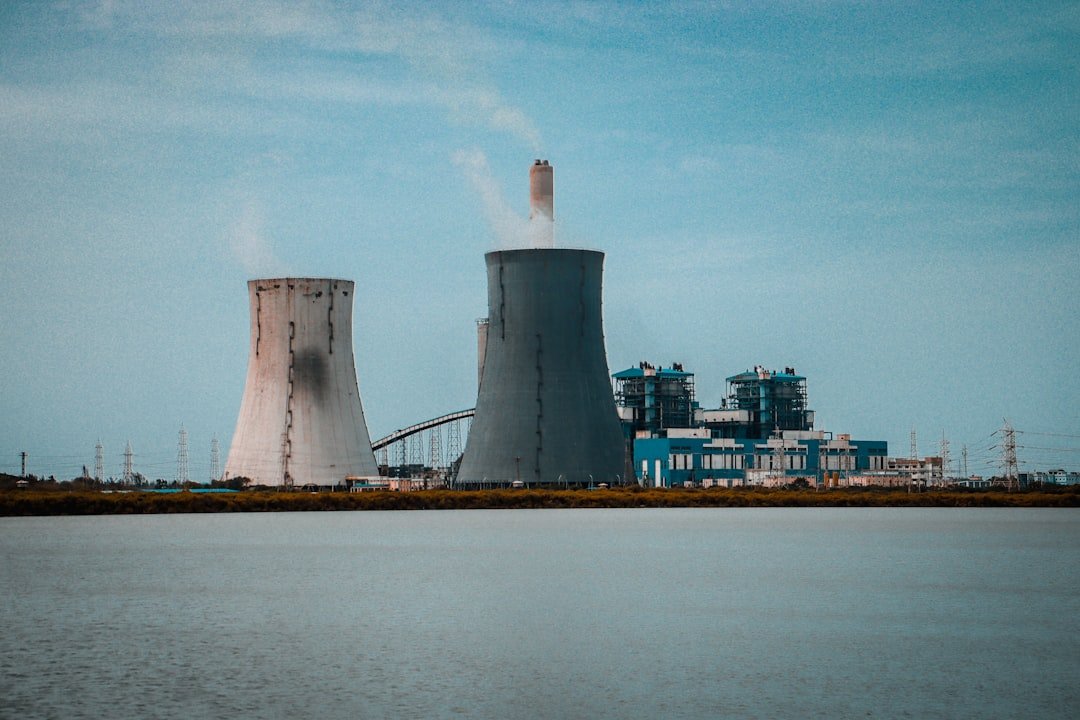
Nuclear power plants across the United States — including facilities that supply electricity to the broader Mountain West grid — are set to experience a significant shift in how their physical security is tested. The Nuclear Regulatory Commission (NRC) is phasing out the agency-led commando-style drills, known as force-on-force exercises, that have long served as a primary benchmark for evaluating whether plant security teams can repel a simulated armed attack.
For states like Idaho, which rely on a regional power grid increasingly dependent on nuclear baseload capacity, any changes to how nuclear plant security is validated carry real consequences for energy reliability and public safety confidence.
What Happened
The Nuclear Regulatory Commission announced it is moving away from conducting its own agency-led commando drills at nuclear power plants nationwide. These exercises have traditionally involved NRC-organized mock assault teams — sometimes called “adversary forces” — that would attempt to breach plant defenses in order to test security personnel and protocols under realistic combat-style conditions.
Under the new approach, responsibility for conducting and overseeing these security exercises is expected to shift more heavily to the nuclear plant operators themselves, with the NRC taking a less hands-on role in running the simulated attacks. The change represents one of the more notable adjustments to nuclear facility security oversight in recent years.
The NRC has not publicly signaled that the move is a response to any specific security incident or failure. Officials have indicated the transition is part of a broader regulatory modernization effort aimed at streamlining oversight functions while maintaining safety standards.
By the Numbers
- The United States operates approximately 94 commercial nuclear reactors at roughly 54 power plant sites across the country.
- Nuclear energy currently supplies about 20 percent of total U.S. electricity generation, making it the largest source of carbon-free power in the nation.
- Force-on-force security exercises have historically been required at nuclear facilities on a recurring cycle, typically every three years under NRC regulations.
- The NRC employs roughly 3,000 staff members and oversees the licensing and safety of all commercial nuclear operations in the United States.
- Domestic nuclear energy capacity has become an increasingly central piece of the Trump administration’s broader push for American energy independence and grid reliability.
Zoom Out
The decision comes at a time when the federal government is simultaneously pushing to expand domestic nuclear energy production as part of a wider effort to bolster U.S. energy independence and reduce reliance on foreign energy sources. The Trump administration has expressed strong support for nuclear power as a cornerstone of American energy dominance, making regulatory decisions that affect plant operations and security particularly high-profile.
Critics of the move are likely to argue that reducing the federal government’s direct role in testing plant security — even if administrative burdens are reduced — places too much trust in self-regulated operators when the stakes involve nuclear material and national security. Supporters, on the other hand, will frame the change as a sensible step toward cutting bureaucratic overhead and empowering plant operators who are most familiar with their own facilities and threat environments.
The shift also arrives against a backdrop of heightened concern over global instability and state-level threats, including ongoing tensions in the Middle East that have raised broader questions about the security of critical U.S. infrastructure. With U.S. military personnel engaged in active conflict zones abroad, the domestic security posture of sensitive facilities like nuclear plants takes on added significance.
Nationally, the debate over who should bear primary responsibility for nuclear plant security — the federal regulator or the industry itself — is not new. But the formal phase-out of NRC-led commando drills marks a concrete and measurable change in how that question is being answered under the current regulatory leadership.
What’s Next
The NRC is expected to issue updated guidance outlining what will replace the agency-led exercises and what standards plant operators must meet in conducting their own security evaluations. Industry groups and independent nuclear security analysts are likely to weigh in as the new framework takes shape.
Congress may also take interest, particularly members of committees that oversee nuclear energy and homeland security. Whether the transition results in maintained, reduced, or improved security readiness at U.S. plants will likely become a key point of scrutiny in the months ahead.
About the Author
