Iranian Supreme Leader Killed in Joint U.S.-Israel Operation
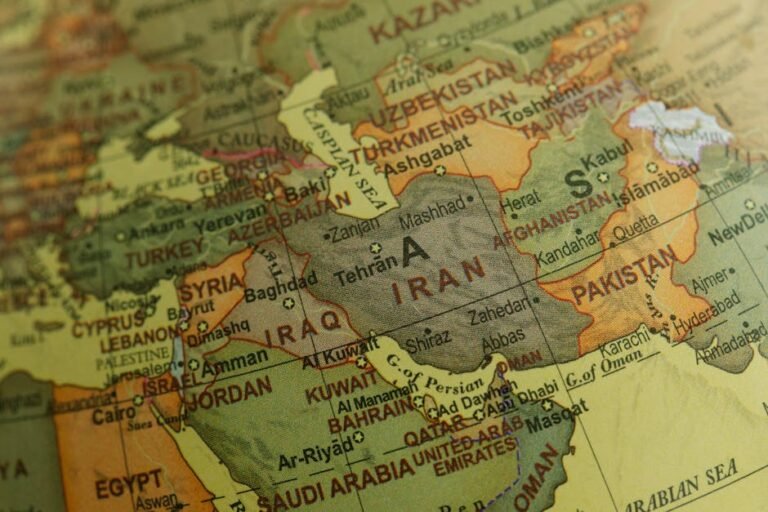
In a significant development in Middle Eastern geopolitics, Iran’s Supreme Leader Ayatollah Ali Khamenei was reportedly killed in a coordinated military operation by the United States and Israel. The announcement was made by former U.S. President Donald Trump, who stated that the attack aimed to provide Iranians with an opportunity to reshape their country’s future.
Impact on Iran’s Political Landscape
The death of Ayatollah Khamenei, who had been Iran’s Supreme Leader for decades, is expected to create a leadership vacuum in the country. As the head of Iran’s clerical establishment and the paramilitary Revolutionary Guard, Khamenei held significant influence over the nation’s policies. His absence raises questions about the future direction of Iran’s governance, especially in the absence of a clear successor.
The Supreme Leader’s role in Iran is pivotal, as he holds the final authority on all major state matters. This development could potentially lead to internal power struggles within the governing theocracy, impacting both domestic and international relations.
Details of the Military Strike
The military operation took place during the Muslim holy month of Ramadan, coinciding with the start of Iran’s work week. Israeli Prime Minister Benjamin Netanyahu confirmed the strike, suggesting that Khamenei was killed when his compound was targeted. The operation was reportedly planned over several months, reflecting the strategic importance of the mission.
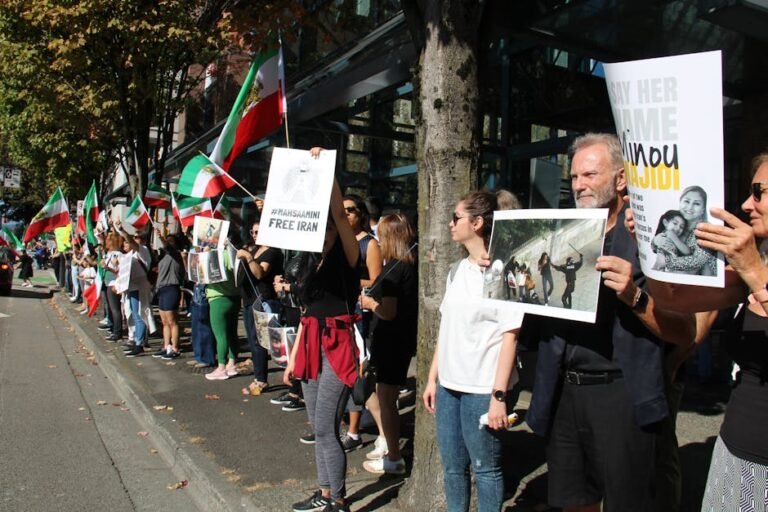
Following the attack, eyewitnesses in Tehran reported mixed reactions, with some residents expressing joy and others concerned about the implications for regional stability.
Reactions and Retaliation
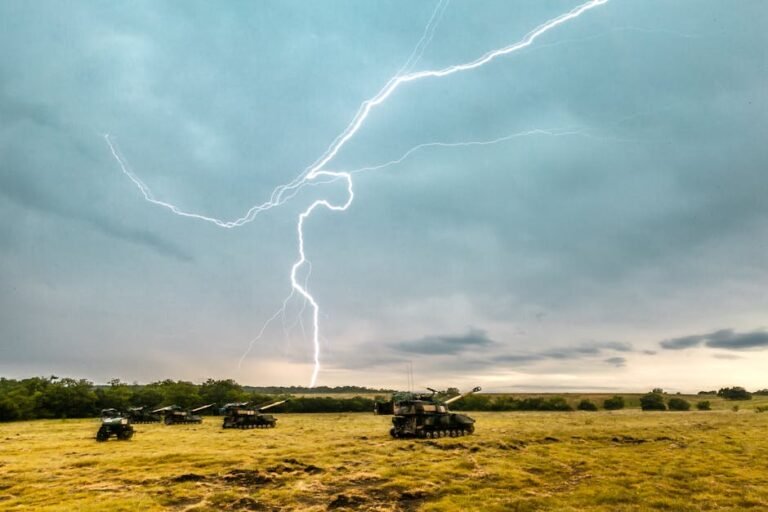
In response to the strike, Iran launched missiles and drones targeting Israeli and U.S. military positions in the region. These exchanges continued into the night, illustrating the heightened tensions between the involved nations. Despite the aggressive retaliation, the U.S. military reported no casualties and minimal damage to its bases.
The Iranian state media, citing the Red Crescent, reported significant casualties, with at least 201 people killed and over 700 injured as a result of the attack.
Historical Context and Future Implications
This incident marks the second major U.S. intervention in Iran within an eight-month period, highlighting ongoing tensions over Iran’s nuclear program. The assassination of Khamenei is likely to have far-reaching consequences for the region, potentially destabilizing the already volatile Middle East.
The international community will closely monitor the situation as Iran navigates this critical juncture in its history. The potential for increased conflict or a shift in power dynamics remains a concern for global leaders.
Related Coverage
- Idaho News – https://idahonews.co/idaho-news-3/
- National News – https://idahonews.co/national-news/
- Global News – https://idahonews.co/global-news/
- Economy & Market – https://idahonews.co/economy-market/
- Opinion – https://idahonews.co/opinion-2/
- Subscribe & Support Idaho News – https://idahonews.co/subscribe-and-support-idaho-news/
About the Author