Oil Prices Climb to Two-Week High as U.S.-Iran Talks Stall and Strait of Hormuz Shipments Stay Bottlenecked
Why It Matters
Rising crude oil prices are hitting American consumers directly at the gas pump, with U.S. gasoline futures closing last Friday at their highest levels since July 2022. For households and businesses across the country — including in energy-dependent states like Idaho — sustained high fuel costs translate into higher prices for groceries, goods, and transportation, intensifying an already difficult inflation environment.
The disruption stems from a conflict that began February 28, when hostilities involving Iran broke out and effectively choked one of the world’s most critical energy chokepoints. The longer the Strait of Hormuz remains functionally blocked, the more pressure builds on global supply chains and household budgets.
What Happened
Oil prices surged roughly 2% on Monday to reach their highest level in two weeks, driven by stalled U.S.-Iran peace negotiations and persistently low shipping traffic through the Strait of Hormuz. The jump extended a rally that has now seen Brent crude rise for six consecutive days — the longest such streak since March 2025.
President Donald Trump called off a planned diplomatic mission by U.S. envoys to Iran, stating publicly that Iran should reach out when it is ready to negotiate a deal. Sources from Pakistan, which has been serving as a mediator between the two countries, confirmed that work to bridge the diplomatic gap has not stopped, but tangible progress remains elusive.
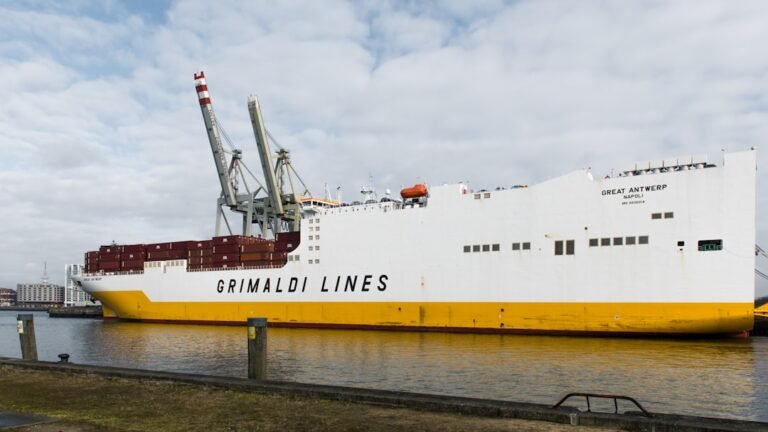
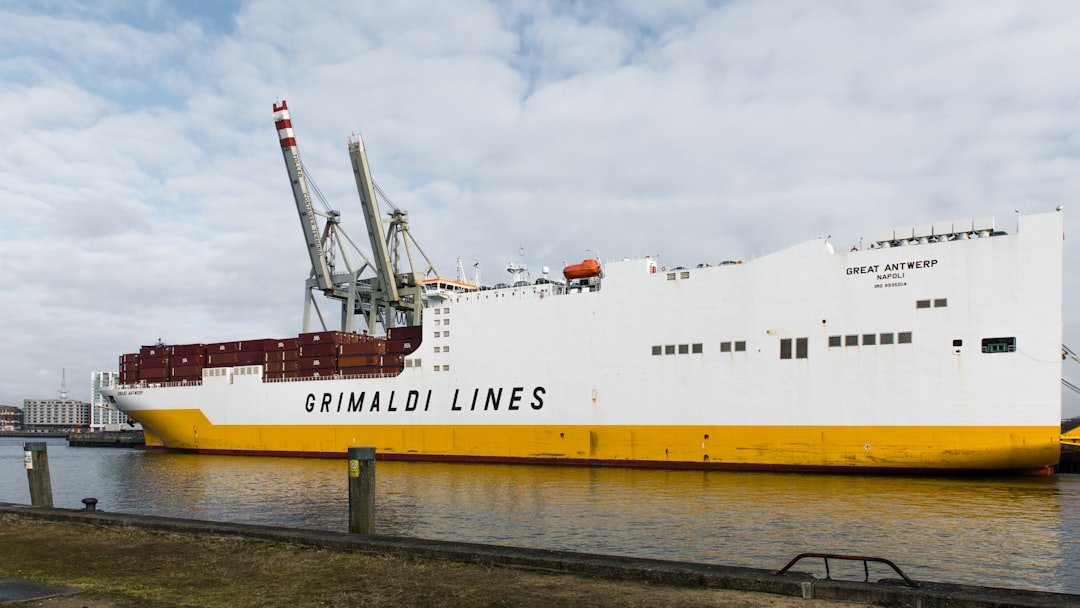
Meanwhile, shipping activity through the Strait of Hormuz — the narrow waterway through which roughly 20% of the world’s oil supply once flowed daily — remains a fraction of pre-conflict levels. Only about seven ships crossed the strait in the 24-hour period ending Monday, compared to an average of 140 daily passages before the conflict began.
By the Numbers
- $107.49 per barrel — Brent crude futures price as of Monday morning, a rise of $2.16, or 2.1%
- $95.72 per barrel — U.S. West Texas Intermediate (WTI) crude price, up $1.32, or 1.4%
- 10–13 million barrels per day — estimated volume of oil failing to reach the international market due to Strait of Hormuz restrictions
- 7 ships — number of vessels crossing the Strait of Hormuz in the past 24 hours, versus a pre-conflict average of 140 daily
- $90 and $83 per barrel — Goldman Sachs’ revised fourth-quarter price forecasts for Brent and WTI, respectively, citing reduced Middle East output
Zoom Out
“The diplomatic stand-off means that every day 10–13 million barrels of oil fail to get to the international market, worsening an already tight oil balance. Therefore, there is only one direction for oil prices to go,” said Tamas Varga, an analyst at PVM Oil Associates.
Goldman Sachs analysts, in a note released Sunday, warned that the economic risks extend well beyond crude prices alone, pointing to unusually high refined product prices, potential product shortages, and what they described as “the unprecedented scale of the shock.” The investment bank raised its fourth-quarter oil price forecasts to $90 a barrel for Brent and $83 for WTI, citing reduced output from the Middle East.
The turbulence is reverberating through global financial markets. The European Central Bank, which meets Thursday, faces mounting pressure to raise interest rates later this year as high energy costs push inflation higher across the eurozone. Higher borrowing costs, in turn, could dampen economic growth and reduce global oil demand — adding a further layer of uncertainty to an already volatile market. The Iran conflict is also contributing to surging military spending globally, with defense budgets climbing to levels not seen in 16 years across Europe and Asia.
Complicating the picture further, a ceasefire between Israel and Lebanon has shown signs of fracturing. Israeli military forces began conducting strikes in eastern Lebanon on Monday, expanding operations against the Iran-backed armed group Hezbollah even as a nominal ceasefire remains nominally in place.
What’s Next
Traders and analysts will be closely watching whether U.S.-Iran negotiations resume in any meaningful form. Pakistan’s continued role as mediator suggests a back-channel remains open, but no timeline for resumed direct talks has been established.
The European Central Bank’s Thursday meeting will be a key data point for how global policymakers plan to respond to inflation driven by the energy supply crunch. Any signal of an imminent rate hike could reshape oil demand expectations heading into the summer driving season.
For American consumers, the near-term outlook points to continued pressure at the pump. Unless shipping through the Strait of Hormuz resumes at scale — or a diplomatic breakthrough produces a ceasefire — energy analysts expect prices to remain elevated through at least the third quarter of 2026.
About the Author