Oregon DEQ Hits Pacific Seafood With $3.2 Million Fine for Water Pollution at Three Coastal Sites
Why It Matters
The fine against Pacific Seafood, one of Oregon’s largest family-owned seafood processors, raises significant questions about regulatory overreach, achievable compliance standards, and the future of a company that employs more than 3,000 workers. The outcome could affect the broader Pacific Northwest seafood industry, where businesses say state environmental agencies are imposing standards that go beyond what existing technology can achieve.
Oregon’s coastal communities, many of which depend heavily on fishing and seafood processing for their economic livelihood, are watching closely as the dispute heads toward a potential years-long administrative hearing process.
What Happened
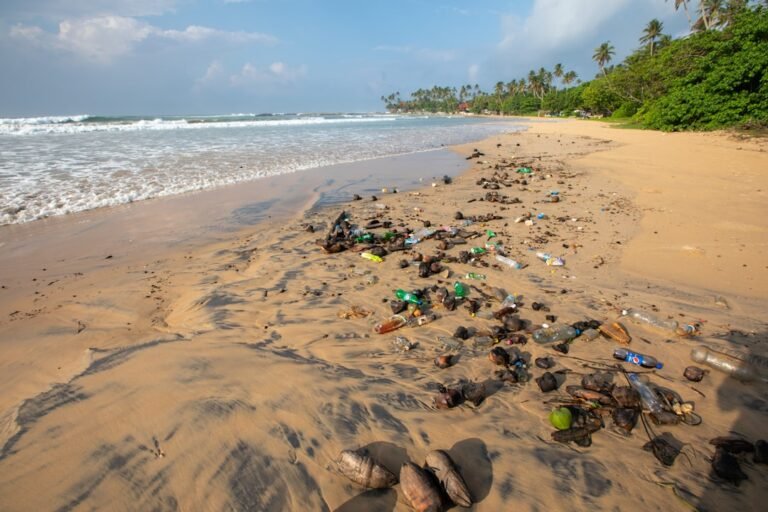
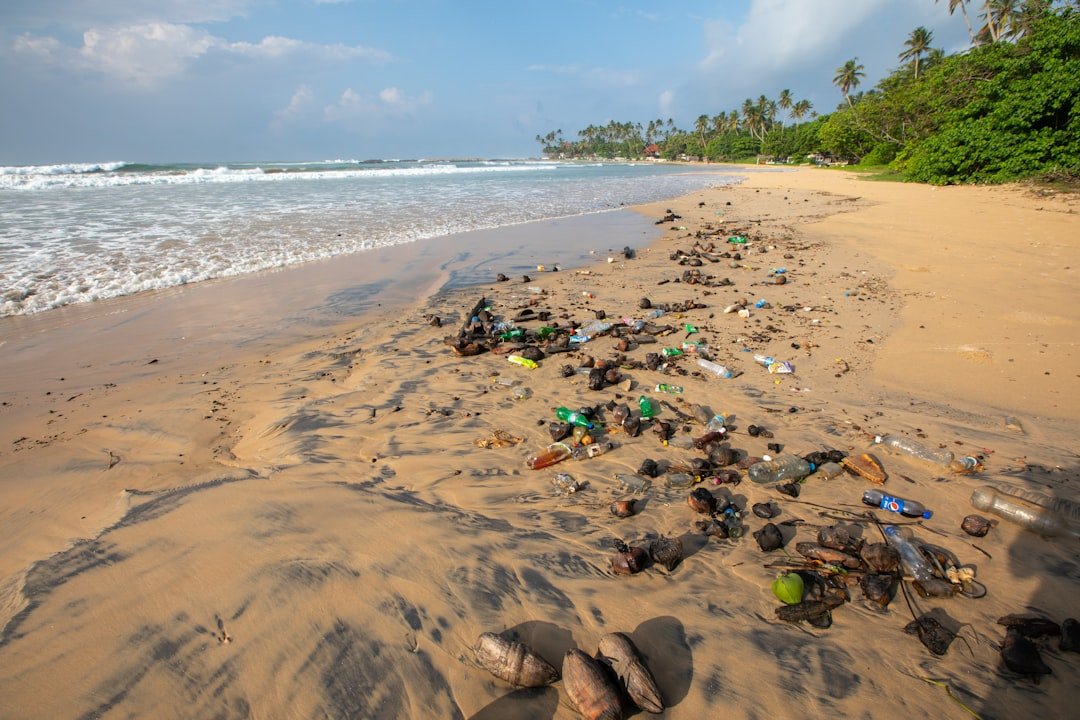
The Oregon Department of Environmental Quality on Thursday levied $3.2 million in total civil penalties against three processing plants owned by Clackamas-based Pacific Seafood for discharging fish parts, chlorine, oil, grease, and other pollutants into the Pacific Ocean and two Oregon rivers.
The three sites — located in Charleston near Coos Bay, Warrenton on the Columbia River, and Brookings on the Chetco River — each received separate enforcement orders. The violations, some of which date back to 2017, stem from alleged failures to comply with federal Clean Water Act permits known as National Pollutant Discharge Elimination System, or NPDES, permits.
Pacific Seafood, which has more than 40 locations harvesting, processing, and distributing seafood and sells packaged products in grocery store frozen food aisles nationwide, called DEQ’s fines and permit requirements unreasonable. The company has 20 days to appeal the enforcement orders.
“DEQ is forcing seafood companies to treat wastewater to levels thousands of times cleaner than drinking water,” Pacific Seafood said in a statement. “According to DEQ, the heavy metals in Oregon’s tap water are safe enough for the drinking fountains in our schools, but not safe enough for seafood companies to pour down our drains.”
By the Numbers
- $2.9 million — fine against the Charleston facility, the second-largest civil penalty in DEQ history, just behind a $3 million fine issued against a Benton County landfill company last month
- $2.4 million of the Charleston fine is calculated based on the estimated economic benefit Pacific Seafood gained by not installing a required wastewater treatment system
- $114,000 — fine against the Brookings facility for releasing oil, grease, and fish waste into the Chetco River and for exceeding wastewater limits for E. coli, ammonia, and chlorine
- $104,800 — fine against the Warrenton subsidiary BioOregon Protein for discharging chlorine into the Columbia River above permitted limits and for failing to submit monitoring reports
- 6,180 — alleged NPDES permit violations by BioOregon Protein cited in a separate lawsuit filed by two environmental nonprofits in January, a case still ongoing
Pacific Seafood’s Defense
The company disputes the timeline and characterization of events, saying it applied for a new wastewater permit for its Charleston facility back in 2021 but was informed by DEQ as recently as March 2026 — five years later — that the agency was only beginning to draft it. Pacific Seafood argues that without finalized permit benchmarks, it had no engineering specifications on which to design a treatment system.
“Some of the requirements DEQ has imposed are not possible with existing technology,” the company said. DEQ compliance and enforcement manager Erin Saylor acknowledged that years of conversations with the company had produced no results. “Our conversations with them have just stalled out at this point,” Saylor said, according to reporting by Oregon Public Broadcasting, which first published this story. “It’s time to move forward with enforcement.”
The dispute highlights a recurring tension in Oregon’s regulatory environment, where businesses — including those in industries with deep roots in the state’s economy — say agency demands outpace both available technology and reasonable timelines. As Oregon continues to raise costs on businesses and residents through higher tuition, fees, and regulatory burdens, the Pacific Seafood case adds to a growing list of economic pressures facing Oregon employers.
What’s Next
If Pacific Seafood appeals the enforcement orders, DEQ will convene an informal meeting where the company can make its case for reduced penalties. Should the two sides fail to reach an agreement, the dispute moves to the Oregon Office of Administrative Hearings — a process that, according to DEQ, could take years to resolve.
The Brookings facility, already shuttered, is no longer operating, though the fines cover the period when it was active. The Charleston and Warrenton facilities remain subject to ongoing compliance requirements. With a separate environmental lawsuit against BioOregon Protein also still pending, Pacific Seafood faces a protracted legal and regulatory battle on multiple fronts. Oregon residents and seafood industry observers, including those tracking the state’s broader economic climate for working-class and business communities, will be watching to see whether the state and company can reach a workable resolution.
About the Author