Why It Matters
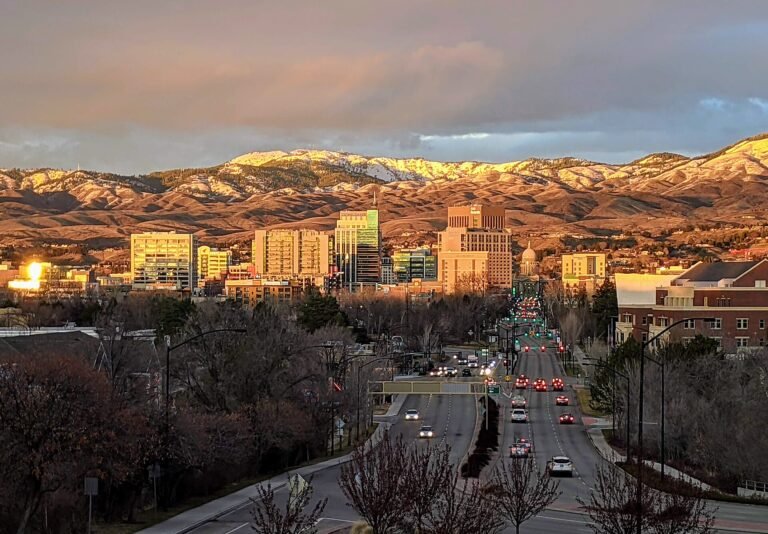
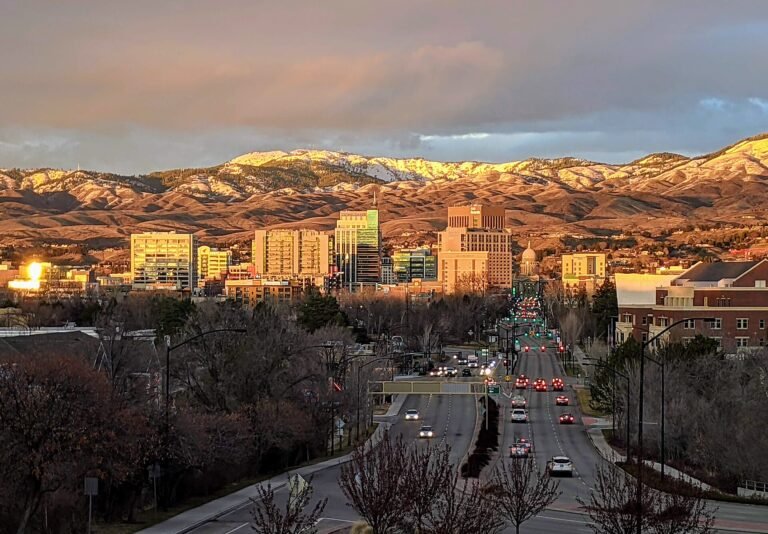
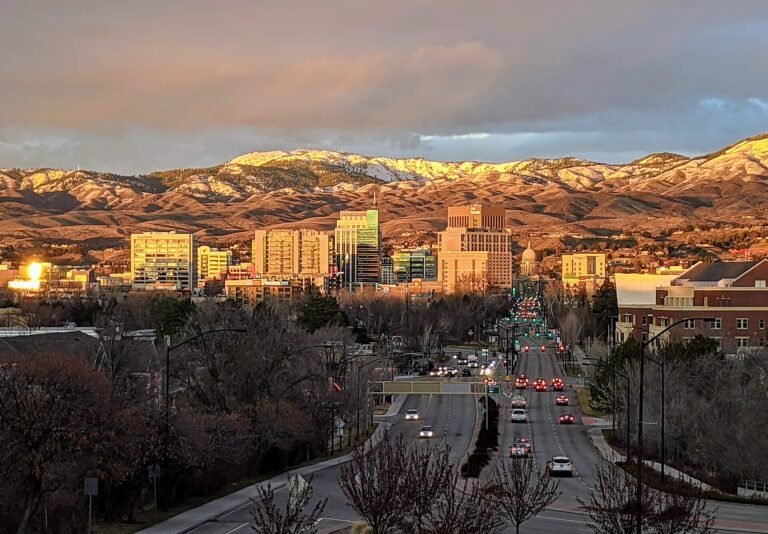
Oregon’s tiered minimum wage system will deliver higher pay to low-wage workers starting this summer, with the largest increases concentrated in the Portland metro area. The state’s approach contrasts sharply with neighboring Idaho, where the minimum wage remains at the federal floor of $7.25 per hour.
What Happened
Oregon’s Bureau of Labor and Industries announced Thursday that minimum wage rates will rise by 50 cents per hour across all three wage tiers beginning July 1. The new rates will be $16.80 per hour in the Portland metro area, $15.55 per hour in standard counties including Deschutes, Jackson, Lane and Marion, and $14.55 per hour in 18 rural counties.
State law requires annual adjustments to the minimum wage based on inflation. Regulators used the U.S. consumer price index increase of 3.3 percent between March 2025 and March 2026 to calculate the 50-cent bump. The rural wage tier remains set at one dollar below the standard rate, while the Portland metro tier stays $1.25 above standard.
By the Numbers
Approximately 4 percent of Oregon workers earn minimum wage, with most employed in hospitality or retail sectors. The federal minimum wage has remained frozen at $7.25 per hour since 2009. Oregon is one of 34 states that have set minimum wages above the federal level.
Washington state’s minimum wage stands at $17.13 per hour, with some cities requiring more than $20 per hour. California’s statewide rate is $16.90, with fast food workers guaranteed at least $20 per hour. Nevada requires $12 per hour, while Idaho matches the federal minimum.
A living wage calculator from the Massachusetts Institute of Technology indicates a single Oregonian needs to earn at least $26.46 per hour to cover basic expenses. A two-parent, two-child household requires combined earnings exceeding $67 per hour to meet basic needs.
Zoom Out
Oregon’s multi-tiered approach to minimum wage reflects cost-of-living differences between urban and rural areas. Labor Commissioner Christina Stephenson said the increase supports economic inclusion and reduces income disparities. The policy creates a higher wage floor than in neighboring Idaho, where workers continue earning the federal minimum, but trails Washington and California’s more aggressive minimum wage policies.
Minimum wage increases typically push up pay for other low-wage workers as employers adjust compensation structures to maintain wage differentials between entry-level and experienced staff.
What’s Next
The new rates take effect July 1. Oregon will continue adjusting minimum wages annually based on inflation data. Lawmakers in neighboring states may face pressure to match Oregon’s wage floor as employers compete for workers across state lines.
About the Author