Wildfire Costs Are Overwhelming Oregon, Idaho and Western State Budgets
Why It Matters
Taxpayers across Oregon and Idaho are facing a growing fiscal crisis as wildfire suppression costs skyrocket far beyond what state governments set aside each year. The financial strain is forcing emergency sessions, delayed contractor payments, and difficult trade-offs between wildfire response and every other state budget priority.
Idaho officials are already sounding the alarm heading into the 2026 fire season, warning that funds on hand may not be sufficient to cover what could be a long and destructive summer.
What Happened
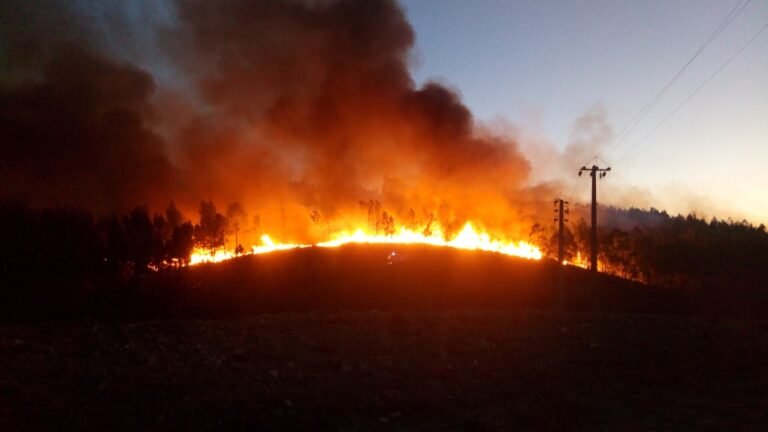
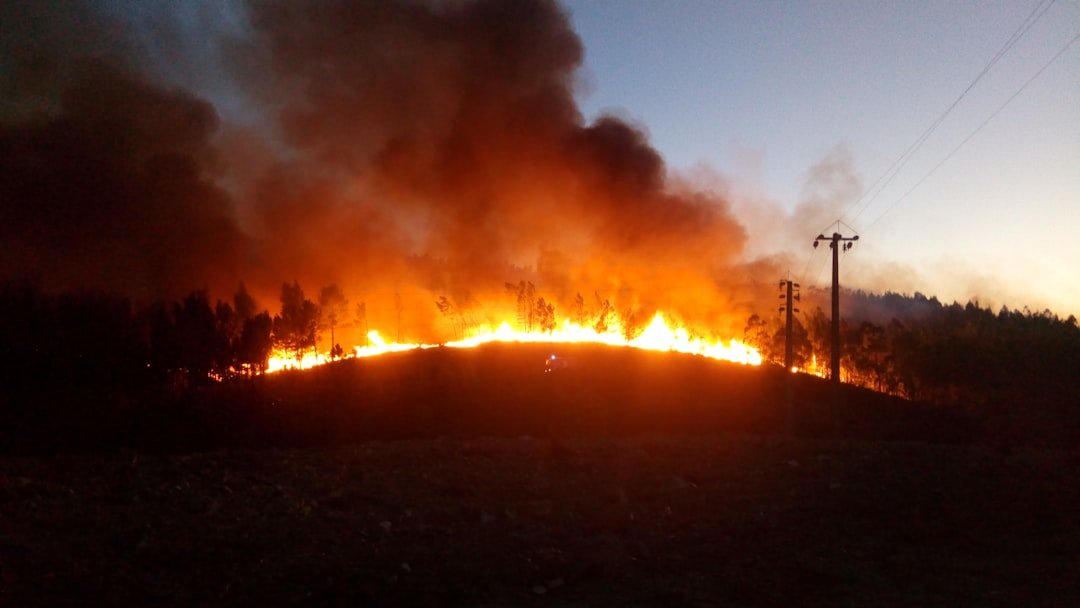
Oregon’s 2024 wildfire season consumed more than 1.9 million acres, burning through the state’s finances in the process. The Oregon Department of Forestry had allocated just $10 million for wildfire suppression, but by the time fires were extinguished in late October, the state had spent more than $350 million — requiring an emergency legislative session to authorize additional funds.
Contractors who had already provided services — from digging fuel breaks to supplying meals — went without prompt payment while the state scrambled to cover costs. Oregon Department of Forestry Deputy Director for Fire Operations Kyle Williams described the financial collapse bluntly: “By July 21, I had already completely blown through my cash on hand.”
In response, Oregon lawmakers during the 2025 legislative session passed a package of funding reforms, including a new 65-cent tax on nicotine pouches such as Zyn and Rogue, increased timber harvest taxes, higher landowner fees for building in forested areas, and a new emergency loan process allowing the Department of Forestry to borrow from the State Treasury. Lawmakers also allocated $150 million for a new natural disaster fund and created a separate account to be filled with federal reimbursements from past fire seasons.
In Idaho, the Department of Lands has approximately $38 million set aside for the upcoming fire season. However, Idaho Director of Lands Dustin Miller warned that amount could fall far short. “We’re a little bit concerned this year, because I’m not sure we’re going to have enough to cover what could be a very long and busy fire season,” Miller said. “The conditions are very concerning to me.” Idaho also increased the annual assessment on forested landowners from $40 per year to $100 per year to better fund both fire season response and year-round operations.
By the Numbers
- 1.9 million acres burned in Oregon during the 2024 wildfire season
- $350 million spent by Oregon fighting wildfires in 2024, against a $10 million budget allocation
- $38 million set aside by Idaho for wildfire suppression — potentially half of what a severe season could require
- $43 million every two years projected to be generated by Oregon’s new nicotine pouch tax and rainy day fund interest for wildfire mitigation
- 9 of the 10 most expensive wildfires in U.S. history have occurred since 2017, according to available data
Zoom Out
The budget crisis is not unique to Oregon or Idaho. Western states broadly are contending with outdated funding models built on historical averages that consistently underestimate real-world fire costs. According to a 2022 Pew Charitable Trusts analysis, most states rely on general fund revenue to cover wildfire suppression — putting those costs in direct competition with education, infrastructure, and other spending priorities.
A 2018 report by Headwaters Economics found that fire suppression accounts for roughly 9% of a wildfire’s true total cost when infrastructure rebuilding and landscape rehabilitation are included. Meanwhile, nine of the ten most expensive wildfires in U.S. history have occurred since 2017, driven by a century of fire suppression that has left forests thick with flammable vegetation, more homes built in fire-prone areas, and hotter and drier conditions across the Mountain West. Montana significantly expanded its wildfire suppression fund in 2023, and Utah passed legislation in 2025 dedicated specifically to prevention and mitigation. Hawaii enacted a fee on hotel and short-term rental stays to fund climate resilience efforts, including wildfire response. As political dynamics in rural Oregon shift heading into the next election cycle, wildfire funding is likely to remain a flashpoint between state priorities and taxpayer expectations.
What’s Next
Western states, including Oregon and Idaho, are entering what officials describe as a potentially severe 2026 fire season amid drought conditions and poor snowpack across the region. Oregon’s new funding structure will face its first real test, though Williams acknowledged the state still has ground to cover: “We’re not 100% there yet, but we are 100% further than we were in fire season ’24.”
Despite the legislative reforms, Oregon appropriated $25 million less in its 2025-2027 budget than fire agencies had requested. Researchers and fire officials warn that Western states remain heavily focused on suppression funding while underfunding prevention efforts — the investments most likely to reduce long-term costs for taxpayers. “The only way you can control those costs someday,” Williams said, “is by creating a landscape that’s not as expensive and not as damaging to fight fire.”
About the Author