Why It Matters
The integrity of Wyoming’s legislative process came under scrutiny this session after a political activist handed campaign checks to lawmakers directly on the House floor — a series of events that triggered a criminal bribery investigation, an internal House inquiry, and now a push to strengthen ethics training for all Wyoming legislators. The fallout from the incident, widely dubbed “Checkgate,” has raised broader questions about campaign finance oversight and the role of lobbyists inside the Capitol.
For Wyoming residents, the controversy highlights the importance of clear boundaries between political fundraising and the lawmaking process — and whether existing rules are strong enough to prevent conflicts of interest.
What Happened
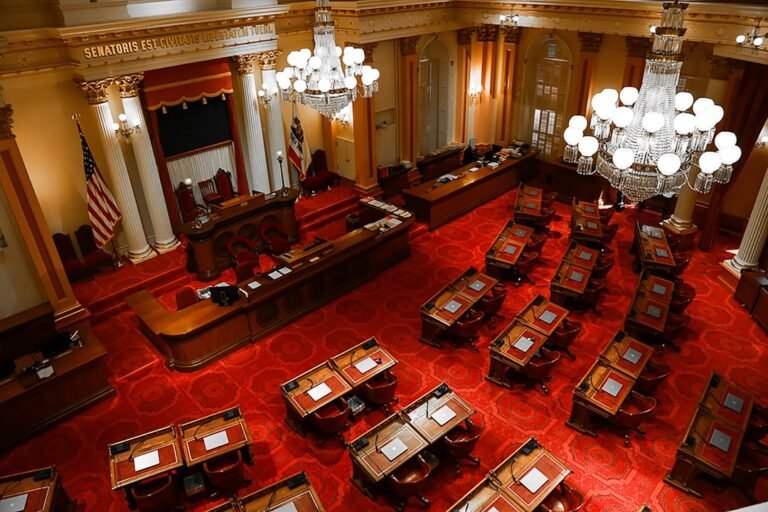
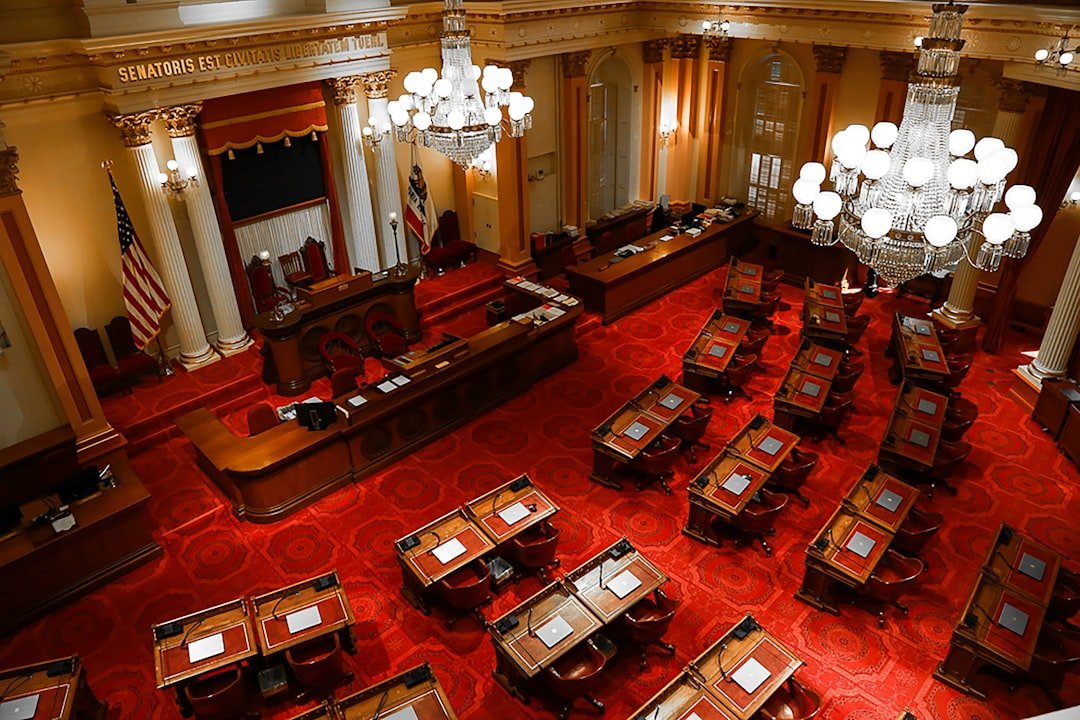
The Wyoming Legislature’s Management Council voted unanimously last week to expand ethics training for all state lawmakers following the Checkgate controversy. The council — made up of the Legislature’s highest-ranking officials from both political parties — took up the issue after conservative activist Rebecca Bextel, Teton County GOP’s state committeewoman, handed campaign checks to four lawmakers on the House floor following the first day of the 2026 session.
Bextel also distributed checks from Teton County donor Don Grasso to other legislators elsewhere in the Capitol during the first week of the session. While Bextel denied any wrongdoing, the incident set off a chain reaction: lobbying complaints were filed, an executive order was issued, House rules were changed, a criminal bribery investigation was opened, and a House Special Investigative Committee was formed to examine the matter.
The investigative committee wrapped up its work on March 6, finding no evidence of wrongdoing but concluding that Bextel’s conduct on the floor was “undesirable and must never happen again.” The committee forwarded recommendations to the Management Council for further action.
On April 1, House Minority Floor Leader Mike Yin, D-Jackson — who first brought the check-passing incident to public attention by raising it on the House floor — formally asked the Management Council to act on those recommendations during the legislative interim. Senate Majority Floor Leader Tara Nethercott, R-Cheyenne, backed his motion.
By the Numbers
- 4 — Number of lawmakers who received campaign checks directly on the House floor from Bextel
- 1 — Unanimous Management Council vote in favor of expanding ethics training
- March 6 — Date the House Special Investigative Committee concluded its inquiry
- 3+ — Categories of proposed reforms, including new signage, cross-state rule review, and formal legislator training
- 2027 — The next legislative session, before which further rule changes may be enacted
What the Training Will Cover
The expanded ethics training, as proposed, would apply to all Wyoming lawmakers — not just House members — and would address the range of conduct issues raised during the 2026 session. Nethercott described the training as a way to tackle “all of the topics implicated this past year.”
Additional proposals presented by Yin include placing signage at the entrance to the House floor detailing expectations for visitors, reviewing how other states handle campaign activity during legislative sessions, and developing training lessons about institutional norms and the importance of avoiding even the appearance of impropriety.
Before a formal subcommittee is established to draft new rules, the council directed Legislative Service Office Director Matt Obrecht to review policies in neighboring states and present findings at the council’s next meeting. Senate President Bo Biteman, R-Ranchester, said a subcommittee could then be considered after that report is complete.
Broader Implications
The Checkgate controversy has sparked interest among some Wyoming lawmakers in pursuing new state laws — not just internal legislative rules — governing campaign finance and lobbying activity. Such laws would carry broader legal weight than procedural changes made by either chamber.
Separately, a former leader of the Wyoming Freedom Caucus has raised concerns that lobbyists may have been operating as legislative aides during the session, though no evidence has been publicly released and the matter is described as under investigation.
The criminal bribery investigation opened in connection with Checkgate has not yet concluded, and no findings have been made public. Wyoming’s political landscape continues to grapple with where the lines fall between lawful political activity and conduct that undermines the independence of the legislative process. The state’s experience may draw interest from other Mountain West legislatures navigating similar questions about campaign finance boundaries inside capitol buildings.
What’s Next
The Management Council is expected to reconvene after Obrecht completes his review of other states’ legislative rules. From there, lawmakers may establish a formal subcommittee to draft additional rule changes ahead of the 2027 session. Further action on campaign finance and lobbying laws — which would require the full Legislature — remains a possibility but has not yet been formally scheduled.
About the Author