Teen Recognizes Stroke Symptoms Thanks to School Training
An 18-year-old high school senior from Utah, Gretl Talbot, experienced a life-threatening stroke on February 21. Her ability to recognize the signs of a stroke, thanks to her recent certified nursing assistant (CNA) training, played a crucial role in saving her life.
Initial Symptoms and Reaction
Talbot was preparing to go ice skating when she suddenly noticed numbness in her right hand. Initially dismissing it as a joke, she quickly realized the seriousness of the situation when she couldn’t move her hand. Her CNA training had taught her to identify stroke symptoms, prompting her to assess her condition using the FAST acronym: Face, Arms, Speech, and Time.
Recognizing the Signs
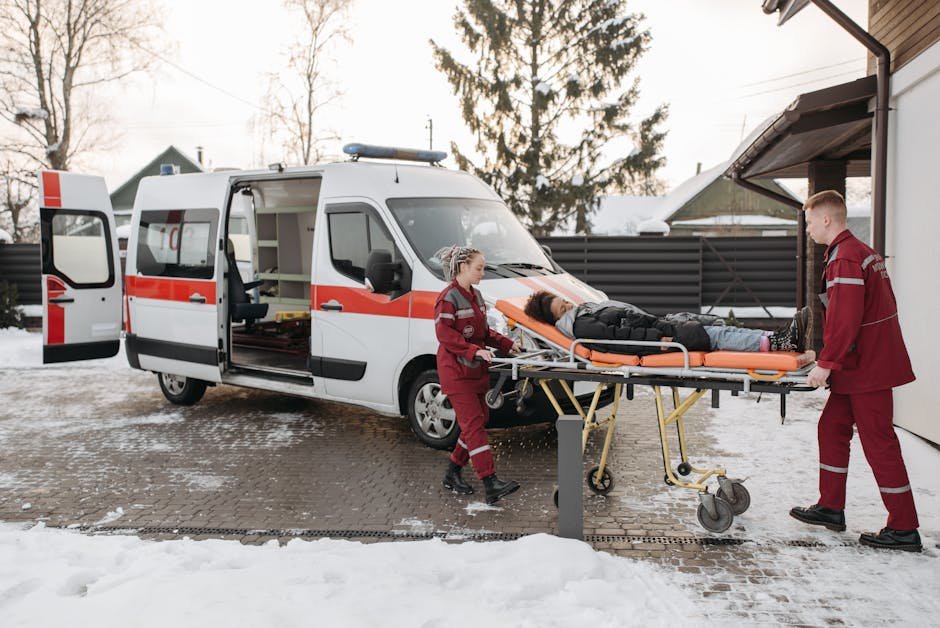
Observing her reflection in the mirror, Talbot noticed facial drooping, a clear indicator of a stroke. Despite her slurred speech, she managed to alert her sister by calling out ‘Stroke!’ multiple times. Her sister promptly called an ambulance, which arrived within a minute, underscoring the importance of rapid response in such medical emergencies.
Critical Decisions and Immediate Treatment
Upon reaching the hospital, Talbot was informed about a medication called tenecteplase (TNK), which is effective in dissolving blood clots but must be administered within a few hours of symptom onset. As an adult, she had to make the decision herself and opted for the treatment, which led to immediate improvements in her condition.
Underlying Health Condition Discovered
During her stay in the intensive care unit, doctors discovered that Talbot’s stroke was caused by a congenital heart defect—a hole in her heart that had been present since birth. This condition, which affects 25-33% of people, typically closes after birth but remained open in her case, allowing a clot to travel to her brain.
Reflection and Awareness
Talbot, who leads an active lifestyle, had previously sensed that something might be amiss with her heart and had consulted doctors before the stroke occurred. This incident highlights the importance of awareness and education in recognizing medical emergencies, as well as the need for timely medical intervention.
Related Coverage
- Idaho News – https://idahonews.co/idaho-news-3/
- National News – https://idahonews.co/national-news/
- Global News – https://idahonews.co/global-news/
- Economy & Market – https://idahonews.co/economy-market/
- Opinion – https://idahonews.co/opinion-2/
- Subscribe & Support Idaho News – https://idahonews.co/subscribe-and-support-idaho-news/
About the Author