Why It Matters
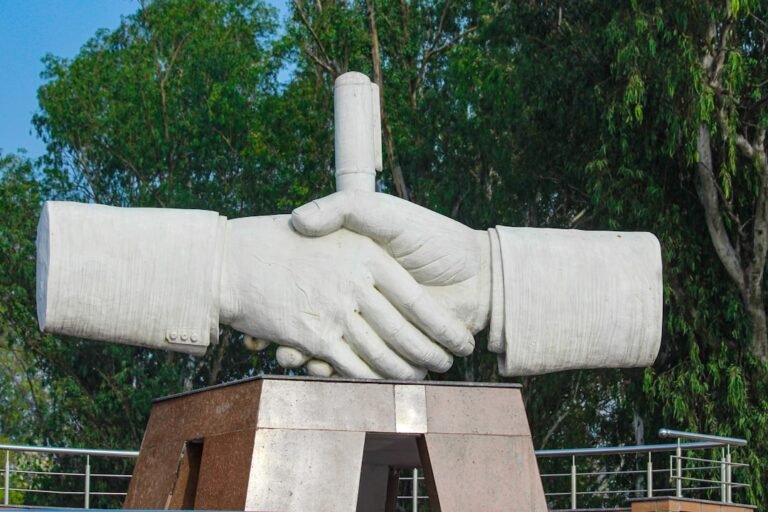
A ceasefire agreement between the United States, Israel, and Iran reached late Tuesday carries significant consequences for Americans and global markets. As part of the deal, Iran agreed to reopen the Strait of Hormuz — the critical maritime chokepoint through which roughly 20% of the world’s natural gas trade passes. The agreement directly affects energy prices and supply chains that reach every American household.
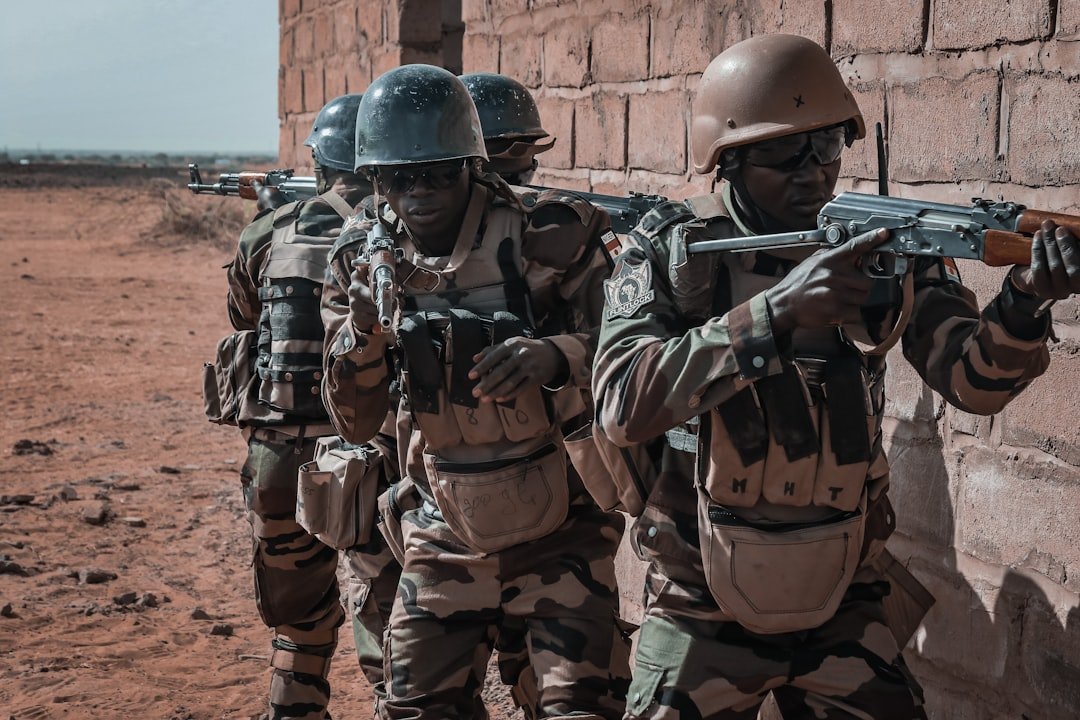
The deal also marks a potential turning point in a conflict that has kept U.S. service members deployed in the Middle East for weeks, with military families across the country — including in Idaho — closely watching for signs of de-escalation or renewed hostilities.
What Happened
Secretary of Defense Pete Hegseth and Chairman of the Joint Chiefs of Staff Gen. Dan Caine appeared at a Pentagon press briefing Wednesday morning to address the ceasefire agreement and declare a U.S. military victory over Iran.
“Operation Epic Fury was a historic and overwhelming victory on the battlefield. A capital ‘V’ military victory,” Hegseth said, speaking of the conflict in the past tense. It was Hegseth’s first public appearance since Iran agreed to the two-week ceasefire with the United States and Israel late Tuesday night.
President Donald Trump celebrated the agreement in a post on Truth Social shortly after midnight Eastern time, calling it a “big day for world peace.” The announcement came roughly one hour before a self-imposed deadline Trump had set, during which he threatened major military strikes against Iran if terms were not reached.
Hegseth stated during the briefing that U.S. strikes had destroyed Iranian military factories and facilities, leaving the country unable to build missiles, rockets, or launchers. He warned that American forces remain in the region and are “prepared to restart at a moment’s notice” if the terms of the ceasefire are violated.
By the Numbers
- 20% — Share of the world’s natural gas that passes through the Strait of Hormuz, which Iran agreed to reopen under the deal
- 38 days — Length of combat operations prior to the ceasefire, according to Gen. Caine
- Two weeks — Duration of the current ceasefire agreement
- 10 — Number of points in a plan Iran proposed that Trump initially described as “workable” before disputing a Farsi-language version
- 1 hour — Margin by which the ceasefire was announced before Trump’s self-imposed deadline expired
Zoom Out
Despite the celebratory tone from U.S. officials, significant uncertainty surrounds the agreement. Vice President JD Vance described the deal as “fragile,” and new attacks were reported by Iran and Gulf Arab countries within hours of the announcement. Israel separately said it would not pause strikes in Lebanon, where it has launched a ground invasion against Hezbollah — contradicting reports from Pakistan and other mediating nations that a broader regional pause was part of the deal.
The terms themselves remain contested. Iran’s version of the agreement reportedly allows it to continue uranium enrichment and to charge tolls on ships passing through the Strait of Hormuz — conditions the U.S. has not confirmed or accepted. Trump called the Farsi-language version of the deal “fraudulent.” When pressed on Iran’s enriched uranium stockpile Wednesday, Hegseth was blunt: “They’ll give it to us, or we’ll take it.”
Iran has also demanded a full withdrawal of U.S. combat forces from the region, the lifting of sanctions, and the release of frozen assets — none of which the U.S. has agreed to publicly. This follows weeks of diplomatic maneuvering, including a Chinese and Russian veto of a UN resolution to reopen the Strait of Hormuz and Iran’s earlier refusal to accept ceasefire terms as Trump threatened military escalation and set a firm deadline for a deal.
What’s Next
Gen. Caine made clear that the U.S. military views the current ceasefire as a pause, not a resolution. “Let us be clear, ceasefire is a pause, and the joint force remains ready if ordered or called upon to resume combat operations with the same speed and precision as we’ve demonstrated over the last 38 days,” Caine said.
U.S. officials are expected to continue negotiations over the disputed terms of the agreement during the two-week window. The fate of Iran’s nuclear program, its enriched uranium stockpiles, and broader regional military activity — particularly in Lebanon — will be central to whether the ceasefire holds or collapses. Administration officials have not indicated a timeline for troop withdrawals or sanctions relief.
About the Author